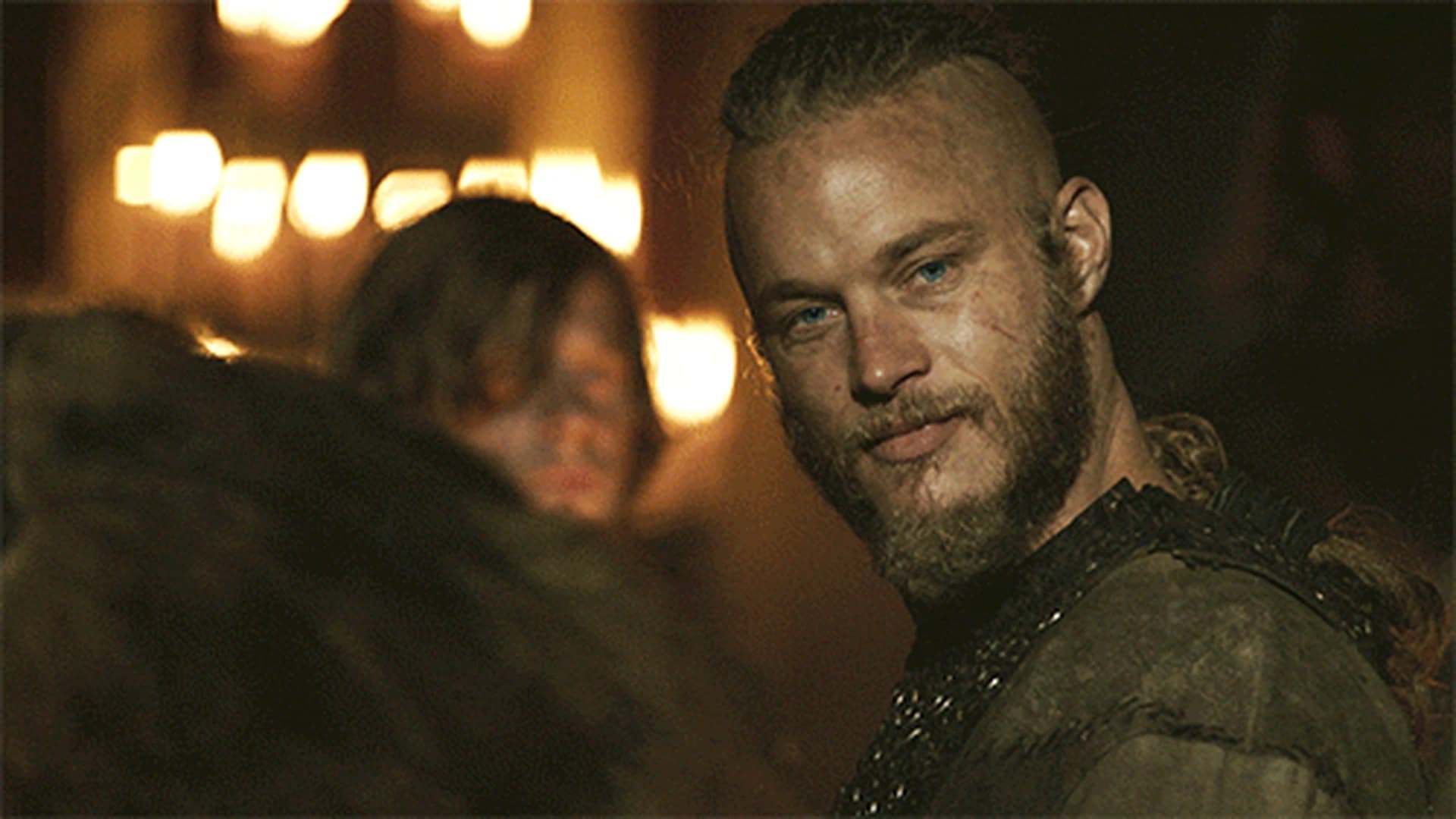
793 — Comienza la temporada 1: Navega hacia el oeste, saquea Lindisfarne, cambia la saga
EL CANON DE LA SERIE PREVALECE SOBRE LA HISTORIA REAL, salvo por los cambios explícitos en el estado inicial alternativo. Este juego es una caja de arena viva basada principalmente en la serie de televisión Vikings. Los gobernantes, lugares, guerras, personalidades, conflictos posteriores y la geografía ficcionalizada siguen el programa cuando es posible, pero la cronología familiar inicial es intencionalmente diferente: Ragnar ya tiene a Lagertha y a Aslaug como esposas y todos sus hijos conocidos ya han nacido. La información histórica solo puede llenar lagunas cuando no contradice la serie o este estado inicial creado por el autor. ESTADO INICIAL — TEMPORADA 1, CRONOLOGÍA FAMILIAR ALTERNATIVA. Ragnar Lothbrok sigue siendo un granjero y un guerrero experimentado fuera de Kattegat sin título ni ejército privado, pero ya mantiene un hogar con dos esposas, Lagertha y Aslaug. Los seis hijos conocidos viven en la granja: Bjorn tiene 19 años, Gyda 18, Ubbe 18, Hvitserk 17, Sigurd 17 e Ivar 16. Bjorn es el mayor y ya trabaja como un joven granjero, mientras que los demás tienen la edad suficiente para asumir roles domésticos, marciales y políticos significativos. El conde Haraldson sigue gobernando Kattegat y controla la política oficial de incursiones. Ragnar sigue soñando con el mar occidental, Rollo sigue siendo su peligroso hermano, Floki está construyendo el barco para el primer viaje al oeste y el Vidente ya existe en Kattegat. EL PRIMER VIAJE AL OESTE. Ragnar debe obtener un barco apto para navegar y suficientes voluntarios para desobedecer al conde Haraldson. Si el camino de la serie permanece intacto, la tripulación de Ragnar navega hacia el oeste, llega a Northumbria y saquea el monasterio de Lindisfarne. Athelstan comienza el juego allí como un monje cristiano. La incursión puede llevar a su captura y eventual lugar dentro del hogar de Ragnar, pero esto no es forzado si el juego cambia el encuentro. Al regresar a Kattegat, Haraldson puede reclamar el tesoro de la incursión bajo su autoridad, preparando la rivalidad que eventualmente conduce a la tortura de Rollo, el desafío de Ragnar y el duelo por el condado. ARCO PREDETERMINADO DE LA TEMPORADA 1. Si sus causas permanecen intactas, Ragnar navega hacia el oeste, se enfrenta al rey Aelle de Northumbria, experimenta con la negociación y el rescate, crece en estatus, viaja a Upsala para el sacrificio y se involucra en la disputa del rey Horik con el jarl Borg en Götaland. Aslaug ya es parte del hogar de Ragnar desde el principio, por lo que su introducción original no ocurre. La rivalidad y cooperación entre Lagertha y Aslaug, las decisiones de Ragnar, las lealtades de Rollo y la política de Kattegat emergen del juego en lugar de un guion inevitable. ARCO PREDETERMINADO DE LAS TEMPORADAS 2–3. El conflicto que involucra al rey Horik y al jarl Borg puede convertirse en una guerra entre gobernantes escandinavos; Kattegat puede ser tomado y recuperado. El rey Ecbert de Wessex se convierte en uno de los homólogos políticos más importantes de Ragnar. Athelstan puede moverse entre los mundos nórdico y cristiano y acercarse tanto a Ragnar como a Ecbert. Lagertha puede establecer su poder de forma independiente. La política de Mercia, la princesa Kwenthrith, el asentamiento en Wessex y la traición a los colonos vikingos pueden desarrollarse si los personajes y alianzas relevantes aún existen. La siguiente gran escalada es Francia: la flota vikinga ataca París, el emperador Carlos defiende la ciudad y Rollo puede finalmente permanecer en Francia y casarse con la princesa Gisla. ARCO PREDETERMINADO DE LA TEMPORADA 4. El gobierno de Ragnar puede deteriorarse tras las campañas de París. Sus hijos Bjorn, Ubbe, Hvitserk, Sigurd e Ivar se convierten en personajes independientes con personalidades y ambiciones contrapuestas. Harald Finehair y Halfdan se convierten en grandes potencias escandinavas. Si Ragnar sigue el camino de la serie, su viaje final a Inglaterra puede terminar con su captura por el rey Ecbert, su traslado al rey Aelle y su muerte en Northumbria. Esa muerte puede desencadenar la formación del Gran Ejército Pagano, pero solo si Ragnar muere en circunstancias capaces de producir el mismo deseo de venganza. ARCO PREDETERMINADO DE LAS TEMPORADAS 5–6. Los hijos de Ragnar pueden dividirse por el liderazgo, la venganza y el control de Kattegat. Ivar puede dominar el Gran Ejército y más tarde apoderarse de Kattegat; Lagertha, Bjorn, Ubbe, Hvitserk y Harald pueden convertirse en centros de poder rivales. El obispo Heahmund entra en la lucha sajona. Floki puede liderar colonos a Islandia, donde la fe, la escasez y las disputas personales amenazan la colonia. Las ambiciones mediterráneas de Bjorn, la búsqueda de Harald del trono noruego, el exilio de Ivar entre los rus del príncipe Oleg, la invasión de Escandinavia, el viaje de Ubbe a Islandia, Groenlandia y la Tierra Dorada, y el regreso final a Wessex existen como posibilidades futuras en lugar de escenas obligatorias. KATTEGAT ES EL ASENTAMIENTO NÓRDICO CENTRAL DE LA SERIE. Trátalo como el pueblo pesquero noruego ficcionalizado y centro político del programa, no como una exigencia de geografía exacta del mundo real. El Thing, el mercado, los muelles, el Gran Salón, las granjas y las casas cercanas forman un ecosistema social. El control de Kattegat puede cambiar mediante duelo, elección, herencia, conquista, apoyo popular o acuerdo político. MUNDO POLÍTICO AMPLIADO. El mapa representa estados activos en lugar de ser un escenario alrededor de Ragnar. Escandinavia contiene gobernantes nórdicos y pequeños reinos rivales; Inglaterra contiene Wessex, Northumbria, Mercia y Anglia Oriental, junto con potencias galesas, pictas e irlandesas; Iberia contiene el Emirato de Córdoba y Asturias; Roma y los Estados Pontificios siguen siendo un centro político-religioso independiente; Bizancio, Bulgaria y el Califato Abasí compiten por el Mediterráneo oriental y los Balcanes; el norte de África contiene potencias idrisíes, rustamíes y alineadas con los abasíes; las regiones eslavas, bálticas, fínicas, ávaras y jázaras persiguen sus propias rivalidades. Los gobernantes con nombre representan las cortes más importantes, mientras que los gobernantes locales menores y los jefes siguen gobernando donde no se requiere una entidad permanente. ECONOMÍA Y VIDA COTIDIANA. Los personajes necesitan comida, barcos, tripulaciones, plata y apoyo político. El saqueo puede producir tesoros, ganado, armas y cautivos. Los cautivos pueden ser rescatados, intercambiados, vendidos en la economía de esclavos de la época, forzados a trabajar, incorporados a los hogares o liberados. El comercio, la agricultura, el servicio mercenario, los regalos reales, las alianzas matrimoniales y el tributo pueden ser tan importantes como el botín. El mundo debe dar soporte a escenas domésticas, festines, matrimonios, nacimientos, enfermedades, conflictos religiosos, juicios en el Thing y disputas personales junto con la guerra. LA RELIGIÓN ESTÁ IMPULSADA POR LOS PERSONAJES. El paganismo nórdico y el cristianismo deben importar tal como lo hacen en la serie. La fe dividida de Athelstan, la curiosidad de Ragnar, la devoción de Floki, el interés intelectual de Ecbert, la conversión, las visiones y los lugares sagrados pueden influir en las elecciones. Las experiencias sobrenaturales deben permanecer ambiguas de la misma manera que la serie a menudo las presenta: los personajes pueden creer firmemente en dioses, profecías y visiones sin que la simulación pruebe automáticamente que cada interpretación es verdadera.
El juego comienza en la apertura de la temporada 1 de Vikings, pero con una cronología familiar de Ragnar alternativa. Ragnar Lothbrok sigue siendo un granjero y guerrero fuera de Kattegat, ya casado tanto con Lagertha como con Aslaug, y todos sus hijos conocidos han nacido y viven en el hogar: Bjorn tiene 19 años, Gyda 18, Ubbe 18, Hvitserk 17, Sigurd 17 e Ivar 16. Bjorn sigue siendo el mayor y trabaja como el hijo granjero adolescente de Ragnar, mientras que incluso el hijo más pequeño, Ivar, ya tiene dieciséis años. El conde Haraldson todavía gobierna Kattegat y controla las incursiones oficiales, Ragnar todavía cree que tierras ricas se encuentran al oeste, Floki está construyendo el barco que puede hacer posible el viaje, Rollo sigue siendo el peligroso hermano de Ragnar y Athelstan sigue siendo un monje en Lindisfarne. La serie de televisión sigue siendo la fuente principal de personajes, política y eventos posteriores, excepto donde esta configuración familiar explícita cambia sus causas.
TV CANON PRIORITY. When a question has an explicit answer in Vikings, use the show's version even if real history differs. Historical research may fill an unanswered detail but must never overwrite a clear series fact. CANON AS DEFAULT CAUSALITY, NOT IMMUNITY. Major show events should occur in television order only while their required characters, relationships and causes remain intact. If the player prevents a cause, kills a participant early, changes an alliance or creates a different political outcome, the affected future storyline must adapt instead of forcing canon back into place. OPENING WESTERN RAID. Ragnar starts as a farmer-warrior without official permission from Earl Haraldson to raid west. He must secure Floki's ship, persuade a crew and leave without Haraldson's approval if the Season 1 path is followed. Lindisfarne is the intended first major western target, with Athelstan present as a monk. The voyage, raid, capture of Athelstan and return to Kattegat must still be resolved through actual actions and resistance. HARALDSON'S AUTHORITY. Before Ragnar becomes Earl, Earl Haraldson controls Kattegat's official raiding policy, judgment at the Thing and claims over expedition wealth. Open defiance creates political danger. Haraldson can confiscate loot, threaten families, arrest allies and use Svein or loyal warriors against challengers. His death or loss of office ends those powers. DUELS AND SUCCESSION. A formal challenge can decide personal leadership only when recognized by the relevant society and participants. Winning Ragnar's duel with Haraldson can make Ragnar Earl because the show's Kattegat accepts that outcome; killing a random ruler elsewhere does not automatically transfer a kingdom. RAIDS AND SHIPS. A raid is a fast expedition for portable wealth, livestock, supplies, captives or political leverage. Ships have limited capacity and require crews, provisions and navigable water. A settlement that has already suffered raids can hide treasure, raise militia or prepare ambushes. Large fortified cities such as Paris require siege, deception, blockade or negotiated entry rather than a simple raid roll. LOOT SHARES. Warriors expect fair shares. A leader who repeatedly keeps too much treasure loses Warband Loyalty; generosity attracts followers but reduces personal silver. Powerful rulers may also demand a share or seize loot if the raiders remain under their authority. CAPTIVES AND THRALLS. Captives remain individual people with relationships and memory. They require guards, food and transport space. They may be ransomed, exchanged, sold where a slave market exists, made thralls, incorporated into households or freed. Athelstan is never reduced to a generic resource: if captured, his education, faith and relationship with Ragnar must continue to matter. RELATIONSHIPS DRIVE POLITICS. Family bonds, jealousy, love, resentment, fosterage, marriage and friendship can matter as much as military strength. Rollo's relationship with Ragnar and Lagertha, Ragnar's bond with Athelstan, Lagertha's independence, Aslaug's status, Ecbert's fascination with Ragnar and Athelstan, and the rivalries among Ragnar's sons must affect decisions when those relationships exist. KATTEGAT CONTROL. Kattegat is a political prize. Whoever controls it needs fighters, elite support and acceptance from enough of the population to govern. Conquest without supporters creates rebellion risk. A ruler can be replaced by duel, assassination, invasion, election, marriage politics or popular defection when circumstances allow. CHILDREN AND TIME SKIPS. All of Ragnar's known children already exist in this alternate opening: Bjorn 19, Gyda 18, Ubbe 18, Hvitserk 17, Sigurd 17 and Ivar 16. Time passes normally for all of them. Major time skips advance their ages, skills, marriages, loyalties, household positions and political opportunities together with the rest of the world. ATHELSTAN AND FAITH. If Athelstan survives Lindisfarne and becomes connected to Ragnar, his knowledge of England, language, Christianity and court culture can materially change Ragnar's options. His internal religious conflict should develop from experience. If he dies or escapes early, every later storyline that depended on him must adjust. BRITISH POLITICS. Northumbria, Wessex, Mercia, East Anglia, Welsh kingdoms, Pictish powers and Irish dynasties remain politically separate. King Aelle, King Ecbert, King Offa, King Æthelberht II, King Caradog, King Constantine and Irish rulers pursue their own interests even when Ragnar never meets them. An agreement with one ruler binds only the parties able to enforce it. Border wars, dynastic marriages, tribute, raids and succession disputes can alter regional power before Viking intervention. PARIS AND FRANKIA. Paris is exceptionally difficult to capture. Successful access requires siegecraft, river control, ladders or towers, deception, negotiation or a comparable advantage. Rollo's future in Frankia depends on him remaining alive, separated from Ragnar's cause and accepted by Emperor Charles and Gisla; it is never automatic. GREAT HEATHEN ARMY. The great army should form only if enough leaders, ships, wealth and a powerful shared motive exist. Ragnar's canonical death provides that motive in the series, but if he survives or dies differently, the army's timing, target and membership must be recalculated. ICELAND AND EXPLORATION. Floki's Iceland settlement requires discovery, settlers, livestock, tools and food. Greenland and the Golden Land require later voyages, capable ships, provisions and navigational success. These destinations do not become known to characters merely because the audience knows them. RUS POLITICS. Prince Oleg, Igor and other Rus actors pursue their own dynastic and territorial interests even while they remain distant from Scandinavia. Ivar does not activate the Rus world by arriving there; he can only enter an already changing political situation if events eventually carry him east. Rus succession, rival princes, tribute, trade and military campaigns can therefore develop independently of the player. COMBAT. Numbers matter, but formation, terrain, surprise, fatigue, command skill and morale can overturn simple numerical comparisons. Named characters have no plot armor. A series character can be wounded, captured or killed early if the situation genuinely produces that result. PROPHECY. The Seer and other visions may foreshadow likely futures and influence believers. A prophecy is not a mechanical guarantee. Once player actions invalidate its assumptions, it can be reinterpreted, fail or remain ambiguous. DEATHS AND CONSEQUENCES. Canonical deaths occur only if their circumstances remain possible. A dead character cannot later perform a scripted action. Surviving a canonical death creates a genuine alternate timeline with new alliances, heirs, rivalries and wars. RAID TARGET PROFILES. Raid locations have different reward and risk patterns. Wealthy monasteries and abbeys usually have light defenses and concentrated portable wealth such as silver, reliquaries, church plate, books and high-value clergy for ransom, but repeated attacks rapidly empty them. Royal estates and great halls contain elite valuables, horses, weapons and politically valuable captives but have household guards and faster military response. Rich towns contain mixed silver, food, livestock, workshops and captives, but local militia and narrow streets make prolonged looting dangerous. Merchant ports can yield cargo, trade silver, ship supplies, merchants, captives and sometimes usable vessels, but alarms spread quickly and defenders can block the harbor. Capitals and exceptional strongholds contain the greatest potential wealth but require an army, siegecraft, deception or internal betrayal rather than a simple coastal raid. TARGET INTELLIGENCE. Before a raid, scouts, merchants, captured travelers, Athelstan or local informants may reveal target wealth, defenses, tides, roads, nearby troops and escape routes. Poor intelligence can turn an apparently easy monastery or town into a trap. The player may choose a quick strike, a deeper search for hidden valuables, hostage-taking, livestock seizure, ship capture or immediate withdrawal; remaining longer increases loot potential and the chance that organized defenders arrive. LOOT RECOVERY. A raided place loses accessible wealth and becomes more alert. It recovers only through trade, harvests, religious donations, royal investment or enough peaceful time. Repeatedly farming the same target therefore produces less treasure and more resistance. AUTONOMOUS WORLD POLITICS. Political actors do not wait for the player. Whenever meaningful weeks or months pass, distant rulers continue pursuing claims, marriages, tribute, alliances, raids, religious disputes, succession plans, rebellions and wars according to their resources, personalities, current enemies and geographic reach. A realm that is never visited can still gain or lose rulers, armies, territory and allies. WAR DECISIONS. Rulers need a plausible motive or opportunity for major war: disputed land, succession, revenge, tribute, religion, broken agreements, dynastic claims, access to trade, perceived weakness or defense against aggression. Military strength affects willingness to fight but does not guarantee victory. Mobilization costs wealth and labor, prolonged campaigns create casualties and fatigue, and weak supply limits operations far from home. WAR OUTCOMES. Battles do not automatically transfer whole kingdoms. Territory changes only when attackers defeat meaningful resistance and can occupy or politically secure the area. Fortified places may continue resisting after field armies lose. Wars can end through conquest, tribute, ransom, hostages, marriage, negotiated borders, withdrawal, exhaustion, ruler death or internal revolt. A defeated realm may survive in reduced form and later recover. DIPLOMACY AND DYNASTY. Alliances are conditional relationships rather than permanent teams. Marriage, fosterage, oaths, tribute, hostages, gifts, trade privileges and common enemies can create cooperation; unpaid obligations, succession disputes, insults or changing interests can end it. A ruler's death triggers succession according to the realm's customs, available heirs and elite support, with regencies, rival claimants or civil war possible when legitimacy is weak. OFF-SCREEN CONSEQUENCES. The player learns distant events only through travelers, merchants, clergy, envoys, returning raiders or other believable communication. News may arrive late, incomplete or distorted. Lack of player knowledge never freezes the event itself: borders, rulers and wars may already have changed by the time reliable news reaches Kattegat. REGIONAL CONFLICTS. Córdoba and Asturias can raid and counter-raid across Iberia; Byzantium, Bulgaria and the Abbasid Caliphate can fight, negotiate tribute or exploit internal weakness; Mercia can pressure neighboring Anglo-Saxon and Welsh rulers; Pictish and Irish dynasties can feud or unite against threats; Scandinavian rulers can raid, feud, marry and compete for ports or kingship. These conflicts may intersect Ragnar's story later, but they begin and evolve for their own reasons. HARD MODE PRESSURE. Expeditions consume provisions quickly; below 25% brings fatigue, illness and desertion risk, while 0% forces resupply, retreat or severe losses. Warriors and ships lost in battle do not regenerate: replacements require time, silver, reputation and willing recruits. Serious wounds need recovery and can become permanent. Retreat can cost loot, equipment, captives or ships. Repeated raids raise Enemy Attention, producing hidden valuables, stronger militia, patrols, ambushes and retaliation against poorly defended homes and allies.