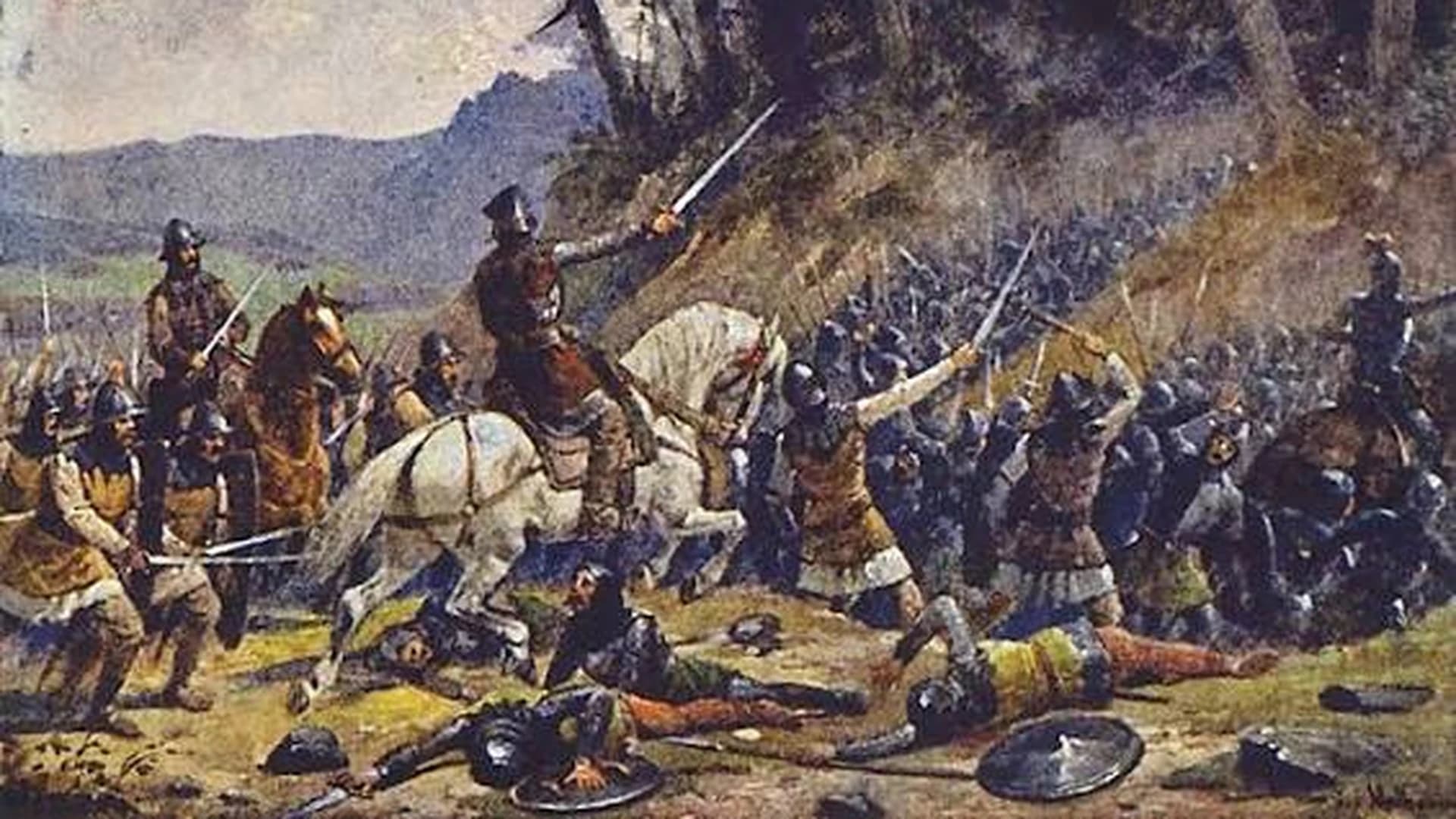
Bohemian Crusade 1431
14 August 1431 — A divided Bohemia faces the Fifth Crusade
Personnages
Carte du monde
Votre monde se dessineLes premiers horizons apparaissent.
Description du monde
The Hussite Wars have left Bohemia politically fragmented and militarily hardened. Hussite field armies rely on experienced wagon-fortress warfare, while Catholic and Imperial forces combine princely levies, urban contingents, nobles and mercenaries. Moravia, Austria and Silesia contain competing estates and fortified towns, while roads, harvest pressure, silver trade and local loyalties constrain every army.
Prémisse
At dawn on 14 August 1431, the Fifth Crusade is closing on a decisive confrontation near Domažlice. Bohemian lands remain politically divided among Taborites, Orphans, Utraquist communities, Catholic loyalists, and rival nobles, while Austria, the Hungarian Crown, Silesian princes, Poland, Bavaria, Saxony, Brandenburg and other Imperial powers pursue their own interests. The outcome of the campaign is still open.
Règles de simulation
This is a hard, unforgiving historical military simulation. Battles can kill or severely wound named characters; no character has plot protection. Army losses reduce the forces actually available for later actions, and defeat can destroy a field army rather than merely lowering an abstract score. Morale falls after heavy losses, loss of a commander, isolation, or surprise attack. Low supplies restrict campaigning and can worsen morale. Training matters: untrained levies are unreliable, trained troops are dependable, veterans are resilient, and professionals are the most effective. Orders require credible command and physical proximity. Political factions may cooperate temporarily without becoming one faction, and rival Hussite groups can refuse orders or fracture when interests diverge. Sieges require time, supplies, a defensible position, and a breach, relief, surrender, or other credible resolution. News and orders travel through period roads, couriers and military contacts rather than instantaneously.