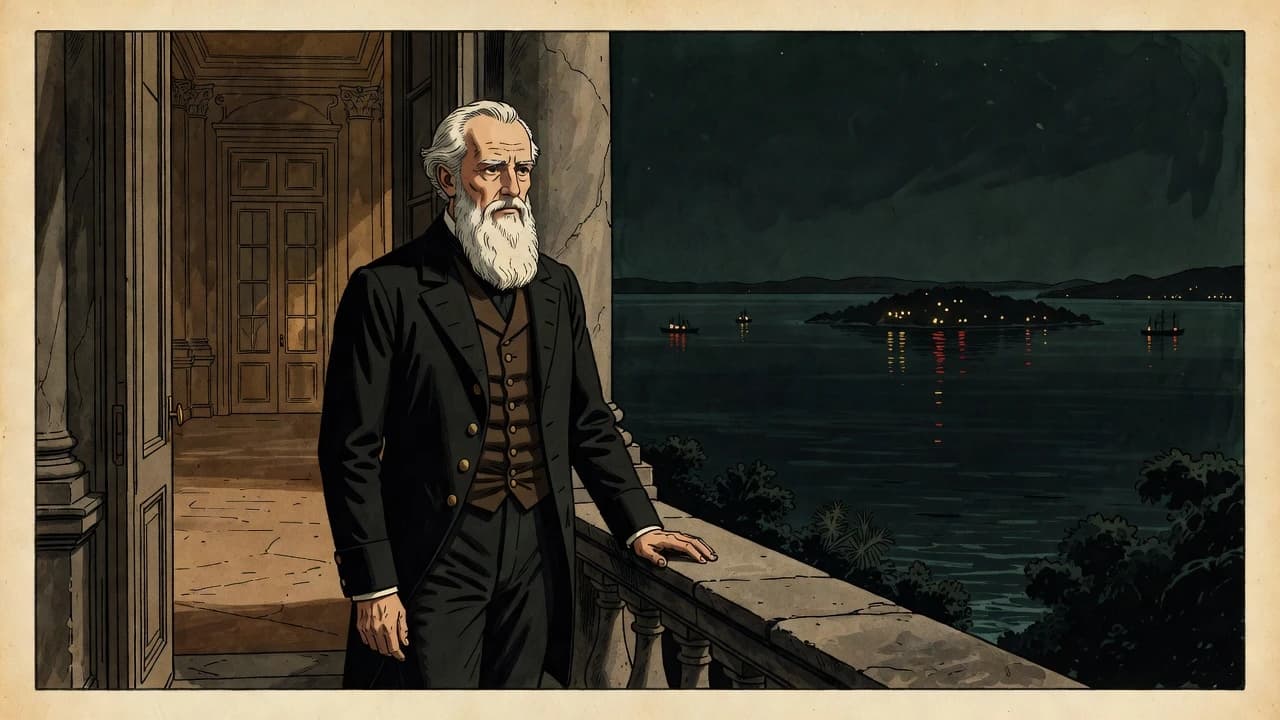
La chute de l'Empire du Brésil, 1889
Rio de Janeiro, novembre 1889 — un empire retient son souffle.
- 619
- Parties
- 9 154
- Tours
- 19
- Upvotes
Personnages
Carte du monde
Description du monde
Le Brésil à la fin de 1889 est un empire de cérémonies, de richesse issue du café et de vastes distances. À Rio de Janeiro, la cour de Dom Pedro II commande encore un langage de loyauté, pourtant la Loi d'Or a aliéné de nombreux planteurs et fait de la princesse Isabel un symbole à la fois d'émancipation et de danger. Les jeunes officiers formés au positivisme en veulent au cabinet ; les commandants supérieurs pèsent l'honneur personnel face à l'ambition politique. Les journaux transforment les griefs privés en humeurs publiques, tandis que le télégraphe transporte l'autorité et le doute entre la capitale, São Paulo, les provinces du Sud et les ports du Nord. La marine, l'armée, la Cour, les élites provinciales et les organisateurs républicains ont tous des raisons de coopérer — et des raisons de se méfier les uns des autres. Le Brésil ne semble intact que de loin.
Prémisse
Le bal de l'Ilha Fiscal bat son plein, mais l'ordre impérial du Brésil s'effiloche déjà derrière la musique. Le maréchal Deodoro est malade et en colère, les officiers positivistes chuchotent dans les casernes, les journalistes républicains attendent un signal, et la princesse Isabel porte le coût politique de l'abolition. De la cour aux provinces caféières, chaque promesse privée peut devenir une rupture publique. Décidez qui peut encore parler au nom du Brésil alors que la nuit se déroule.
Règles de simulation
CROWN, COURT, AND CABINET Ouro Preto governs through a Liberal cabinet whose authority is lawful but politically brittle. If Dom Pedro II replaces, sidelines, or visibly rebukes the cabinet, court loyalists may recover confidence while republican and officer circles read the move as proof of weakness at the centre. If the cabinet survives a clash with the Court, the Crown becomes more closely identified with its unpopular policies and enemies. THE ARMY IS A PERSONAL POLITICAL NETWORK Benjamin Constant's positivist circle gives discontented officers a language and a meeting point, but it does not substitute for the choices of Deodoro, Floriano, or the commands around them. If Deodoro permits a real military preparation, junior networks can acquire prestige and momentum; if he refuses or is isolated, they may fragment, seek another patron, or expose one another. His quarrel with Silveira Martins can pull an intervention toward settling a personal and cabinet conflict rather than serving the civilian republicans' constitutional ambitions. THE NAVY CHOOSES FOR ITSELF Custódio de Melo, Wandenkolk, ships, arsenals, and crews belong to a naval world distinct from the Army conspiracy. If Army movement threatens Rio's waterfront or claims national authority, naval officers may demand proof, protect their own chain of command, bargain for influence, or resist; naval support never follows automatically. If credible imperial orders and naval leadership remain aligned, a hesitant Navy can become a stabilising counterweight to events ashore. ABOLITION HAS REDRAWN THE BARGAIN The Golden Law binds Black monarchists and abolitionists more closely to Isabel, while many coffee interests see the dynasty as a threat to their regional power. If Isabel becomes the public face of a royal response, abolitionist support can become more visible while planter resistance hardens. If São Paulo republicans or southern Liberals obtain credible promises on federalism or regional influence, they may cooperate with a wider coalition; unmet promises leave them free to withhold recognition or pursue their own settlement. TELEGRAPH, PRESS, AND RUMOUR Capanema's telegraph network is the Empire's fastest claim to national presence. If an authenticated dispatch reaches a provincial authority ahead of its rivals, it can give that authority confidence to act; if competing wires, delays, or false claims circulate, local leaders may pause, bargain, or follow the version made credible by people they trust. Patrocínio, Quintino, Ruy, and Aristides can turn publishable news, rumour, and public declarations into pressure in different circles, but a discredited report can damage the speaker as well as its target. REGIME CRISIS Regime Crisis begins at Conspiracy. It rises when the conflict gains visible organised force or competing national claims, and it can fall again when the conspiracy loses senior backing or a settlement restores practical confidence. The value measures the intensity of this Brazilian rupture; it does not select a winner or prescribe the country's future.