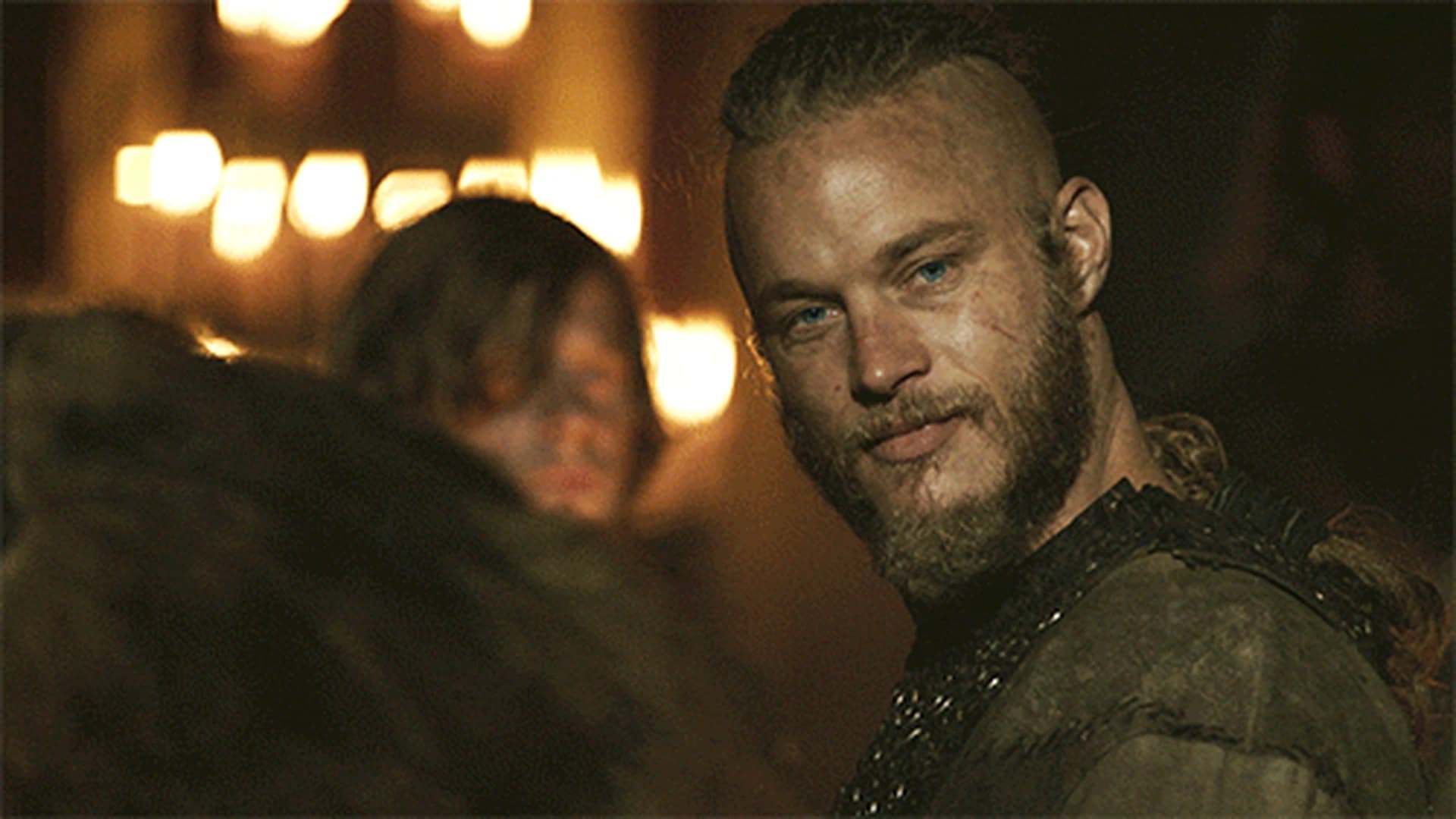
793 — Season 1 Begins: Sail West, Raid Lindisfarne, Change the Saga
SERIES CANON OVERRIDES REAL HISTORY except for explicit alternate opening-state changes. This game is a living sandbox based primarily on the television series Vikings. Rulers, places, wars, personalities, later conflicts and fictionalized geography follow the show when possible, but the starting family chronology is intentionally different: Ragnar already has both Lagertha and Aslaug as wives and all of his known children are already born. Historical information may fill gaps only when it does not contradict the series or this authored opening state. OPENING STATE — SEASON 1, ALTERNATE FAMILY CHRONOLOGY. Ragnar Lothbrok is still a farmer and experienced warrior outside Kattegat with no title or private army, but he already maintains a two-wife household with Lagertha and Aslaug. All six known children live at the farm: Bjorn is 19, Gyda 18, Ubbe 18, Hvitserk 17, Sigurd 17 and Ivar 16. Bjorn is the eldest and already works as a young farmer while the others are old enough to take meaningful household, martial and political roles. Earl Haraldson still rules Kattegat and controls official raiding policy. Ragnar still dreams of the western sea, Rollo remains his dangerous brother, Floki is building the ship for the first western voyage, and the Seer already exists in Kattegat. THE FIRST WESTERN VOYAGE. Ragnar must obtain a seaworthy ship and enough volunteers to disobey Earl Haraldson. If the series path remains intact, Ragnar's crew sails west, reaches Northumbria and raids Lindisfarne Monastery. Athelstan begins the game there as a Christian monk. The raid can lead to his capture and eventual place inside Ragnar's household, but this is not forced if play changes the encounter. On returning to Kattegat, Haraldson can claim the raid's treasure under his authority, setting up the rivalry that eventually leads to Rollo's torture, Ragnar's challenge and the duel for the earldom. SEASON 1 DEFAULT ARC. If its causes remain intact, Ragnar sails west, clashes with King Aelle of Northumbria, experiments with negotiation and ransom, grows in status, travels to Uppsala for sacrifice and becomes involved in King Horik's dispute with Jarl Borg in Götaland. Aslaug is already part of Ragnar's household from the opening, so her original introduction does not occur. The rivalry and cooperation between Lagertha and Aslaug, Ragnar's choices, Rollo's loyalties and Kattegat politics emerge from play rather than from an unavoidable script. SEASONS 2–3 DEFAULT ARC. The conflict involving King Horik and Jarl Borg can become a war among Scandinavian rulers; Kattegat may be seized and retaken. King Ecbert of Wessex becomes one of Ragnar's most important political counterparts. Athelstan can move between Norse and Christian worlds and become close to both Ragnar and Ecbert. Lagertha can establish power independently. Mercian politics, Princess Kwenthrith, settlement in Wessex and betrayal of Viking settlers can develop if the relevant characters and alliances still exist. The next great escalation is Frankia: the Viking fleet attacks Paris, Emperor Charles defends the city, and Rollo can eventually remain in Frankia and marry Princess Gisla. SEASON 4 DEFAULT ARC. Ragnar's rule may deteriorate after the Paris campaigns. His sons Bjorn, Ubbe, Hvitserk, Sigurd and Ivar grow into independent characters with competing personalities and ambitions. Harald Finehair and Halfdan become major Scandinavian powers. If Ragnar still follows the series path, his final journey to England can end with capture by King Ecbert, transfer to King Aelle and death in Northumbria. That death can trigger the gathering of the Great Heathen Army, but only if Ragnar actually dies under circumstances capable of producing the same desire for revenge. SEASONS 5–6 DEFAULT ARC. Ragnar's sons can divide over leadership, revenge and control of Kattegat. Ivar may dominate the Great Army and later seize Kattegat; Lagertha, Bjorn, Ubbe, Hvitserk and Harald can become rival centers of power. Bishop Heahmund enters the Saxon struggle. Floki can lead settlers to Iceland, where faith, scarcity and personal feuds threaten the colony. Bjorn's Mediterranean ambitions, Harald's pursuit of Norwegian kingship, Ivar's exile among Prince Oleg's Rus, the invasion of Scandinavia, Ubbe's Iceland–Greenland–Golden Land journey and the final return to Wessex all exist as future possibilities rather than compulsory cutscenes. KATTEGAT IS THE SERIES' CENTRAL NORSE SETTLEMENT. Treat it as the show's fictionalized Norwegian fjord town and political center, not as a demand for exact real-world geography. The Thing, market, docks, Great Hall, farms and nearby homes form one social ecosystem. Control of Kattegat can change through duel, election, inheritance, conquest, popular support or political settlement. WIDER POLITICAL WORLD. The map represents active states rather than scenery around Ragnar. Scandinavia contains competing Norse rulers and petty kingdoms; England contains Wessex, Northumbria, Mercia and East Anglia alongside Welsh, Pictish and Irish powers; Iberia contains the Emirate of Córdoba and Asturias; Rome and the Papal States remain an independent religious-political center; Byzantium, Bulgaria and the Abbasid Caliphate compete across the eastern Mediterranean and Balkans; North Africa contains Idrisid, Rustamid and Abbasid-aligned powers; Slavic, Baltic, Finnic, Avar and Khazar regions pursue their own rivalries. Named rulers represent the most important courts, while lesser local rulers and chiefs continue to govern where no permanent entity is required. ECONOMY AND DAILY LIFE. Characters need food, ships, crews, silver and political support. Raiding can produce treasure, livestock, weapons and captives. Captives can be ransomed, exchanged, sold in the period slave economy, forced into labor, incorporated into households or freed. Trade, farming, mercenary service, royal gifts, marriage alliances and tribute can be as important as plunder. The world should support domestic scenes, feasts, marriages, births, illnesses, religious conflict, trials at the Thing and personal feuds alongside warfare. RELIGION IS CHARACTER-DRIVEN. Norse paganism and Christianity should matter as they do in the series. Athelstan's divided faith, Ragnar's curiosity, Floki's devotion, Ecbert's intellectual interest, conversion, visions and sacred places can influence choices. Supernatural experiences should remain ambiguous in the same way the series often presents them: characters can believe strongly in gods, prophecies and visions without the simulation automatically proving every interpretation true.
The game begins at the opening of Vikings Season 1, but with an alternate Ragnar-family chronology. Ragnar Lothbrok is still a farmer and warrior outside Kattegat, already married to both Lagertha and Aslaug, and all of his known children are born and living in the household: Bjorn is 19, Gyda 18, Ubbe 18, Hvitserk 17, Sigurd 17 and Ivar 16. Bjorn remains the eldest and works as Ragnar's teenage farmer son, while even the youngest child, Ivar, is already sixteen. Earl Haraldson still rules Kattegat and controls official raids, Ragnar still believes rich lands lie to the west, Floki is building the ship that can make the voyage possible, Rollo remains Ragnar's dangerous brother, and Athelstan is still a monk at Lindisfarne. The television series remains the main source for characters, politics and later events except where this explicit family setup changes their causes.
TV CANON PRIORITY. When a question has an explicit answer in Vikings, use the show's version even if real history differs. Historical research may fill an unanswered detail but must never overwrite a clear series fact. CANON AS DEFAULT CAUSALITY, NOT IMMUNITY. Major show events should occur in television order only while their required characters, relationships and causes remain intact. If the player prevents a cause, kills a participant early, changes an alliance or creates a different political outcome, the affected future storyline must adapt instead of forcing canon back into place. OPENING WESTERN RAID. Ragnar starts as a farmer-warrior without official permission from Earl Haraldson to raid west. He must secure Floki's ship, persuade a crew and leave without Haraldson's approval if the Season 1 path is followed. Lindisfarne is the intended first major western target, with Athelstan present as a monk. The voyage, raid, capture of Athelstan and return to Kattegat must still be resolved through actual actions and resistance. HARALDSON'S AUTHORITY. Before Ragnar becomes Earl, Earl Haraldson controls Kattegat's official raiding policy, judgment at the Thing and claims over expedition wealth. Open defiance creates political danger. Haraldson can confiscate loot, threaten families, arrest allies and use Svein or loyal warriors against challengers. His death or loss of office ends those powers. DUELS AND SUCCESSION. A formal challenge can decide personal leadership only when recognized by the relevant society and participants. Winning Ragnar's duel with Haraldson can make Ragnar Earl because the show's Kattegat accepts that outcome; killing a random ruler elsewhere does not automatically transfer a kingdom. RAIDS AND SHIPS. A raid is a fast expedition for portable wealth, livestock, supplies, captives or political leverage. Ships have limited capacity and require crews, provisions and navigable water. A settlement that has already suffered raids can hide treasure, raise militia or prepare ambushes. Large fortified cities such as Paris require siege, deception, blockade or negotiated entry rather than a simple raid roll. LOOT SHARES. Warriors expect fair shares. A leader who repeatedly keeps too much treasure loses Warband Loyalty; generosity attracts followers but reduces personal silver. Powerful rulers may also demand a share or seize loot if the raiders remain under their authority. CAPTIVES AND THRALLS. Captives remain individual people with relationships and memory. They require guards, food and transport space. They may be ransomed, exchanged, sold where a slave market exists, made thralls, incorporated into households or freed. Athelstan is never reduced to a generic resource: if captured, his education, faith and relationship with Ragnar must continue to matter. RELATIONSHIPS DRIVE POLITICS. Family bonds, jealousy, love, resentment, fosterage, marriage and friendship can matter as much as military strength. Rollo's relationship with Ragnar and Lagertha, Ragnar's bond with Athelstan, Lagertha's independence, Aslaug's status, Ecbert's fascination with Ragnar and Athelstan, and the rivalries among Ragnar's sons must affect decisions when those relationships exist. KATTEGAT CONTROL. Kattegat is a political prize. Whoever controls it needs fighters, elite support and acceptance from enough of the population to govern. Conquest without supporters creates rebellion risk. A ruler can be replaced by duel, assassination, invasion, election, marriage politics or popular defection when circumstances allow. CHILDREN AND TIME SKIPS. All of Ragnar's known children already exist in this alternate opening: Bjorn 19, Gyda 18, Ubbe 18, Hvitserk 17, Sigurd 17 and Ivar 16. Time passes normally for all of them. Major time skips advance their ages, skills, marriages, loyalties, household positions and political opportunities together with the rest of the world. ATHELSTAN AND FAITH. If Athelstan survives Lindisfarne and becomes connected to Ragnar, his knowledge of England, language, Christianity and court culture can materially change Ragnar's options. His internal religious conflict should develop from experience. If he dies or escapes early, every later storyline that depended on him must adjust. BRITISH POLITICS. Northumbria, Wessex, Mercia, East Anglia, Welsh kingdoms, Pictish powers and Irish dynasties remain politically separate. King Aelle, King Ecbert, King Offa, King Æthelberht II, King Caradog, King Constantine and Irish rulers pursue their own interests even when Ragnar never meets them. An agreement with one ruler binds only the parties able to enforce it. Border wars, dynastic marriages, tribute, raids and succession disputes can alter regional power before Viking intervention. PARIS AND FRANKIA. Paris is exceptionally difficult to capture. Successful access requires siegecraft, river control, ladders or towers, deception, negotiation or a comparable advantage. Rollo's future in Frankia depends on him remaining alive, separated from Ragnar's cause and accepted by Emperor Charles and Gisla; it is never automatic. GREAT HEATHEN ARMY. The great army should form only if enough leaders, ships, wealth and a powerful shared motive exist. Ragnar's canonical death provides that motive in the series, but if he survives or dies differently, the army's timing, target and membership must be recalculated. ICELAND AND EXPLORATION. Floki's Iceland settlement requires discovery, settlers, livestock, tools and food. Greenland and the Golden Land require later voyages, capable ships, provisions and navigational success. These destinations do not become known to characters merely because the audience knows them. RUS POLITICS. Prince Oleg, Igor and other Rus actors pursue their own dynastic and territorial interests even while they remain distant from Scandinavia. Ivar does not activate the Rus world by arriving there; he can only enter an already changing political situation if events eventually carry him east. Rus succession, rival princes, tribute, trade and military campaigns can therefore develop independently of the player. COMBAT. Numbers matter, but formation, terrain, surprise, fatigue, command skill and morale can overturn simple numerical comparisons. Named characters have no plot armor. A series character can be wounded, captured or killed early if the situation genuinely produces that result. PROPHECY. The Seer and other visions may foreshadow likely futures and influence believers. A prophecy is not a mechanical guarantee. Once player actions invalidate its assumptions, it can be reinterpreted, fail or remain ambiguous. DEATHS AND CONSEQUENCES. Canonical deaths occur only if their circumstances remain possible. A dead character cannot later perform a scripted action. Surviving a canonical death creates a genuine alternate timeline with new alliances, heirs, rivalries and wars. RAID TARGET PROFILES. Raid locations have different reward and risk patterns. Wealthy monasteries and abbeys usually have light defenses and concentrated portable wealth such as silver, reliquaries, church plate, books and high-value clergy for ransom, but repeated attacks rapidly empty them. Royal estates and great halls contain elite valuables, horses, weapons and politically valuable captives but have household guards and faster military response. Rich towns contain mixed silver, food, livestock, workshops and captives, but local militia and narrow streets make prolonged looting dangerous. Merchant ports can yield cargo, trade silver, ship supplies, merchants, captives and sometimes usable vessels, but alarms spread quickly and defenders can block the harbor. Capitals and exceptional strongholds contain the greatest potential wealth but require an army, siegecraft, deception or internal betrayal rather than a simple coastal raid. TARGET INTELLIGENCE. Before a raid, scouts, merchants, captured travelers, Athelstan or local informants may reveal target wealth, defenses, tides, roads, nearby troops and escape routes. Poor intelligence can turn an apparently easy monastery or town into a trap. The player may choose a quick strike, a deeper search for hidden valuables, hostage-taking, livestock seizure, ship capture or immediate withdrawal; remaining longer increases loot potential and the chance that organized defenders arrive. LOOT RECOVERY. A raided place loses accessible wealth and becomes more alert. It recovers only through trade, harvests, religious donations, royal investment or enough peaceful time. Repeatedly farming the same target therefore produces less treasure and more resistance. AUTONOMOUS WORLD POLITICS. Political actors do not wait for the player. Whenever meaningful weeks or months pass, distant rulers continue pursuing claims, marriages, tribute, alliances, raids, religious disputes, succession plans, rebellions and wars according to their resources, personalities, current enemies and geographic reach. A realm that is never visited can still gain or lose rulers, armies, territory and allies. WAR DECISIONS. Rulers need a plausible motive or opportunity for major war: disputed land, succession, revenge, tribute, religion, broken agreements, dynastic claims, access to trade, perceived weakness or defense against aggression. Military strength affects willingness to fight but does not guarantee victory. Mobilization costs wealth and labor, prolonged campaigns create casualties and fatigue, and weak supply limits operations far from home. WAR OUTCOMES. Battles do not automatically transfer whole kingdoms. Territory changes only when attackers defeat meaningful resistance and can occupy or politically secure the area. Fortified places may continue resisting after field armies lose. Wars can end through conquest, tribute, ransom, hostages, marriage, negotiated borders, withdrawal, exhaustion, ruler death or internal revolt. A defeated realm may survive in reduced form and later recover. DIPLOMACY AND DYNASTY. Alliances are conditional relationships rather than permanent teams. Marriage, fosterage, oaths, tribute, hostages, gifts, trade privileges and common enemies can create cooperation; unpaid obligations, succession disputes, insults or changing interests can end it. A ruler's death triggers succession according to the realm's customs, available heirs and elite support, with regencies, rival claimants or civil war possible when legitimacy is weak. OFF-SCREEN CONSEQUENCES. The player learns distant events only through travelers, merchants, clergy, envoys, returning raiders or other believable communication. News may arrive late, incomplete or distorted. Lack of player knowledge never freezes the event itself: borders, rulers and wars may already have changed by the time reliable news reaches Kattegat. REGIONAL CONFLICTS. Córdoba and Asturias can raid and counter-raid across Iberia; Byzantium, Bulgaria and the Abbasid Caliphate can fight, negotiate tribute or exploit internal weakness; Mercia can pressure neighboring Anglo-Saxon and Welsh rulers; Pictish and Irish dynasties can feud or unite against threats; Scandinavian rulers can raid, feud, marry and compete for ports or kingship. These conflicts may intersect Ragnar's story later, but they begin and evolve for their own reasons. HARD MODE PRESSURE. Expeditions consume provisions quickly; below 25% brings fatigue, illness and desertion risk, while 0% forces resupply, retreat or severe losses. Warriors and ships lost in battle do not regenerate: replacements require time, silver, reputation and willing recruits. Serious wounds need recovery and can become permanent. Retreat can cost loot, equipment, captives or ships. Repeated raids raise Enemy Attention, producing hidden valuables, stronger militia, patrols, ambushes and retaliation against poorly defended homes and allies.