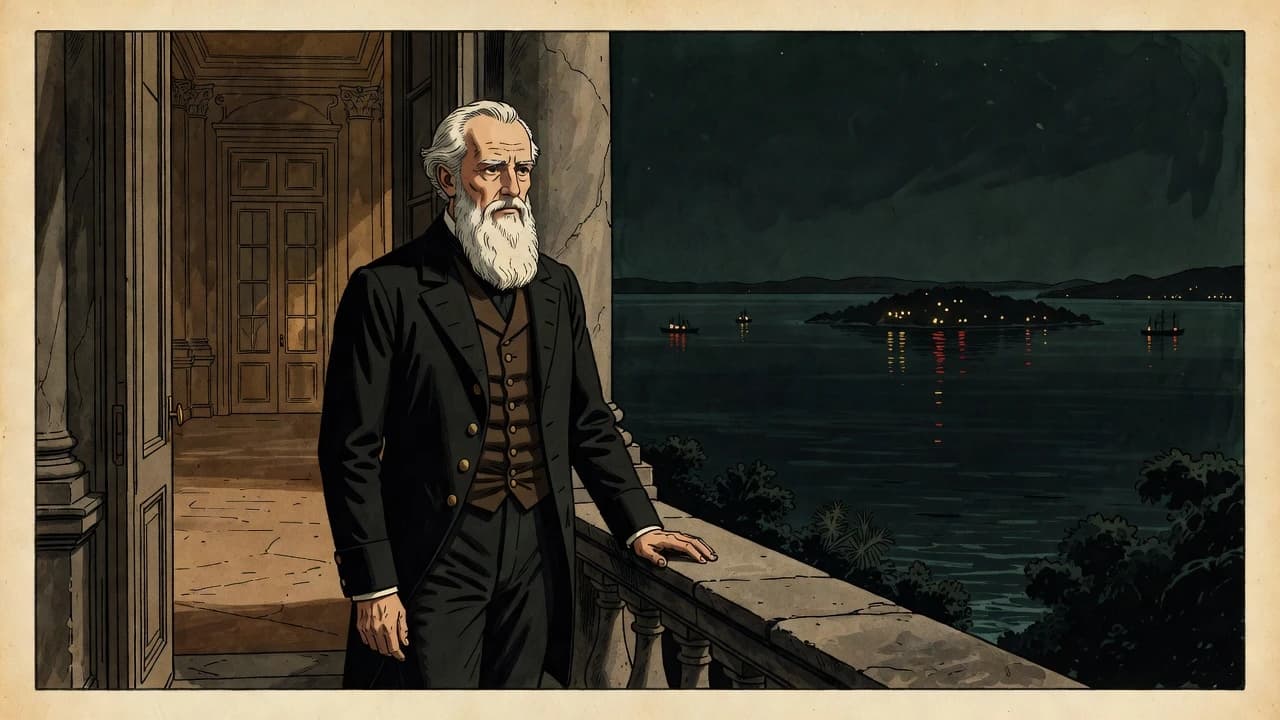
La caduta dell'Impero brasiliano, 1889
Rio de Janeiro, novembre 1889 — un impero trattiene il respiro.
- 619
- Giochi
- 9154
- Gira
- 19
- Voti positivi
Personaggi
Mappa del mondo
Descrizione del mondo
Il Brasile alla fine del 1889 è un impero di cerimonie, ricchezza derivante dal caffè e vaste distanze. A Rio de Janeiro, la corte di Dom Pedro II comanda ancora un linguaggio di lealtà, eppure la Legge Aurea ha allontanato molti proprietari terrieri e reso la principessa Isabella un simbolo sia di emancipazione che di pericolo. I giovani ufficiali formati al positivismo risentono del gabinetto; gli alti comandanti soppesano l'onore personale contro l'ambizione politica. I giornali trasformano le rimostranze private in umori pubblici, mentre il telegrafo trasporta autorità e dubbi tra la capitale, San Paolo, le province meridionali e i porti settentrionali. La Marina, l'Esercito, la Corte, le élite provinciali e gli organizzatori repubblicani hanno tutti ragioni per cooperare — e ragioni per diffidare l'uno dell'altro. Il Brasile sembra intatto solo da lontano.
Premessa
Il ballo dell'Ilha Fiscal è in corso, ma l'ordine imperiale del Brasile si sta già sgretolando dietro la musica. Il maresciallo Deodoro è malato e arrabbiato, gli ufficiali positivisti sussurrano nelle caserme, i giornalisti repubblicani attendono un segnale e la principessa Isabella porta il peso politico dell'abolizione. Dalla corte alle province del caffè, ogni promessa privata può trasformarsi in una rottura pubblica. Decidi chi può ancora parlare per il Brasile mentre la notte si dispiega.
Regole di simulazione
CROWN, COURT, AND CABINET Ouro Preto governs through a Liberal cabinet whose authority is lawful but politically brittle. If Dom Pedro II replaces, sidelines, or visibly rebukes the cabinet, court loyalists may recover confidence while republican and officer circles read the move as proof of weakness at the centre. If the cabinet survives a clash with the Court, the Crown becomes more closely identified with its unpopular policies and enemies. THE ARMY IS A PERSONAL POLITICAL NETWORK Benjamin Constant's positivist circle gives discontented officers a language and a meeting point, but it does not substitute for the choices of Deodoro, Floriano, or the commands around them. If Deodoro permits a real military preparation, junior networks can acquire prestige and momentum; if he refuses or is isolated, they may fragment, seek another patron, or expose one another. His quarrel with Silveira Martins can pull an intervention toward settling a personal and cabinet conflict rather than serving the civilian republicans' constitutional ambitions. THE NAVY CHOOSES FOR ITSELF Custódio de Melo, Wandenkolk, ships, arsenals, and crews belong to a naval world distinct from the Army conspiracy. If Army movement threatens Rio's waterfront or claims national authority, naval officers may demand proof, protect their own chain of command, bargain for influence, or resist; naval support never follows automatically. If credible imperial orders and naval leadership remain aligned, a hesitant Navy can become a stabilising counterweight to events ashore. ABOLITION HAS REDRAWN THE BARGAIN The Golden Law binds Black monarchists and abolitionists more closely to Isabel, while many coffee interests see the dynasty as a threat to their regional power. If Isabel becomes the public face of a royal response, abolitionist support can become more visible while planter resistance hardens. If São Paulo republicans or southern Liberals obtain credible promises on federalism or regional influence, they may cooperate with a wider coalition; unmet promises leave them free to withhold recognition or pursue their own settlement. TELEGRAPH, PRESS, AND RUMOUR Capanema's telegraph network is the Empire's fastest claim to national presence. If an authenticated dispatch reaches a provincial authority ahead of its rivals, it can give that authority confidence to act; if competing wires, delays, or false claims circulate, local leaders may pause, bargain, or follow the version made credible by people they trust. Patrocínio, Quintino, Ruy, and Aristides can turn publishable news, rumour, and public declarations into pressure in different circles, but a discredited report can damage the speaker as well as its target. REGIME CRISIS Regime Crisis begins at Conspiracy. It rises when the conflict gains visible organised force or competing national claims, and it can fall again when the conspiracy loses senior backing or a settlement restores practical confidence. The value measures the intensity of this Brazilian rupture; it does not select a winner or prescribe the country's future.