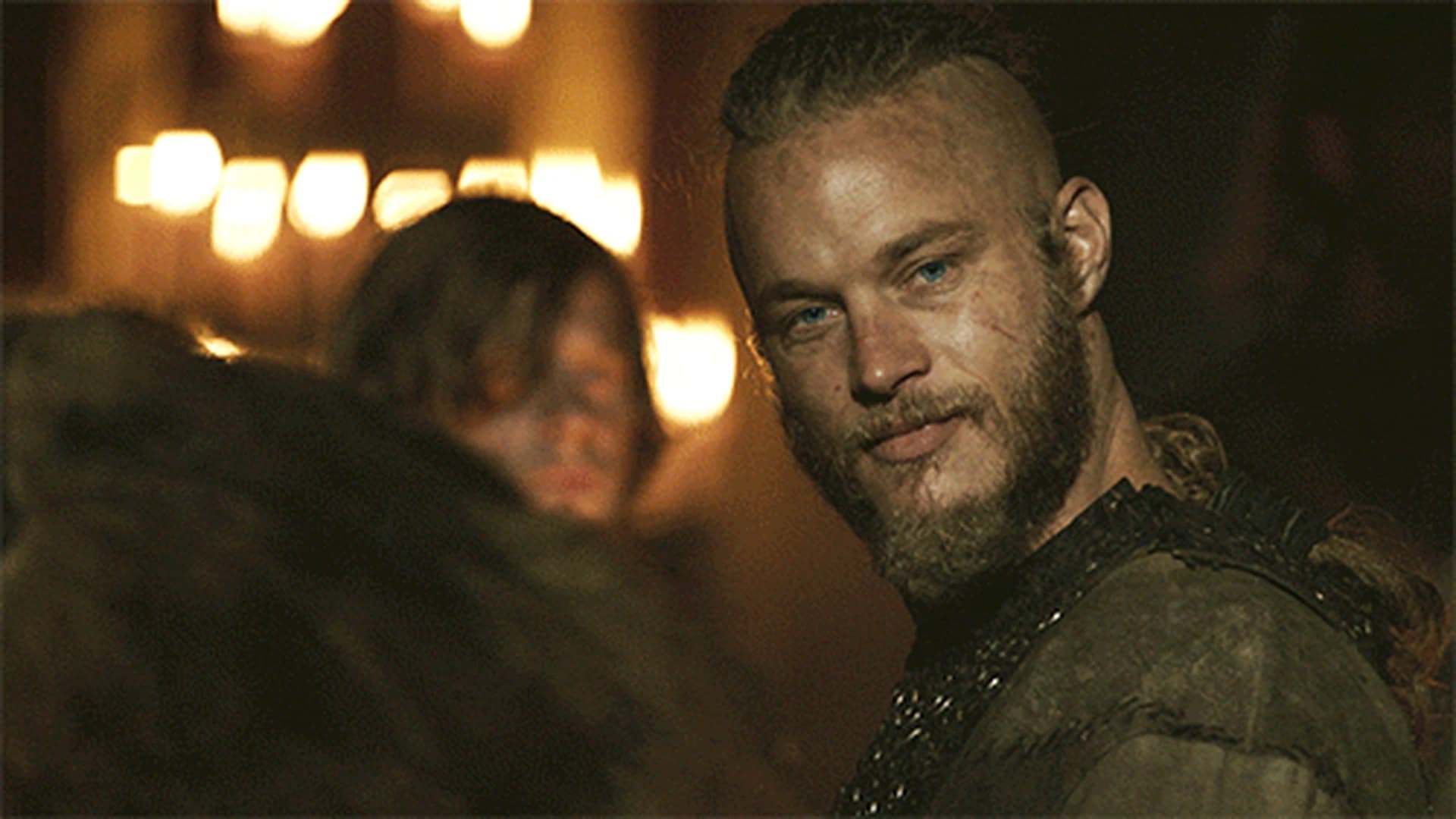
793 — Inizia la Stagione 1: Salpa verso ovest, saccheggia Lindisfarne, cambia la saga
IL CANONE DELLA SERIE PREVALE SULLA STORIA REALE, fatte salve le esplicite variazioni dello stato iniziale. Questo gioco è un sandbox dinamico basato principalmente sulla serie televisiva Vikings. Sovrani, luoghi, guerre, personalità, conflitti successivi e geografia romanzata seguono lo spettacolo ove possibile, ma la cronologia familiare iniziale è intenzionalmente diversa: Ragnar ha già sia Lagertha che Aslaug come mogli e tutti i suoi figli noti sono già nati. Le informazioni storiche possono colmare le lacune solo quando non contraddicono la serie o questo stato iniziale predefinito. STATO INIZIALE — STAGIONE 1, CRONOLOGIA FAMILIARE ALTERNATIVA. Ragnar Lothbrok è ancora un contadino e un guerriero esperto fuori Kattegat, senza titoli o eserciti privati, ma mantiene già una famiglia con due mogli: Lagertha e Aslaug. Tutti e sei i figli noti vivono nella fattoria: Bjorn ha 19 anni, Gyda 18, Ubbe 18, Hvitserk 17, Sigurd 17 e Ivar 16. Bjorn è il primogenito e lavora già come giovane contadino, mentre gli altri sono abbastanza grandi da ricoprire ruoli domestici, bellici e politici significativi. Il Conte Haraldson governa ancora Kattegat e controlla la politica ufficiale delle incursioni. Ragnar sogna ancora il mare occidentale, Rollo rimane il suo pericoloso fratello, Floki sta costruendo la nave per il primo viaggio verso ovest e l'Indovino vive già a Kattegat. IL PRIMO VIAGGIO VERSO OVEST. Ragnar deve ottenere una nave in grado di navigare e abbastanza volontari per disobbedire al Conte Haraldson. Se il percorso della serie rimane intatto, l'equipaggio di Ragnar salpa verso ovest, raggiunge la Northumbria e saccheggia il monastero di Lindisfarne. Athelstan inizia il gioco lì come monaco cristiano. L'incursione può portare alla sua cattura e al suo inserimento nella famiglia di Ragnar, ma ciò non è forzato se il gioco cambia l'incontro. Al ritorno a Kattegat, Haraldson può rivendicare il tesoro dell'incursione sotto la sua autorità, preparando la rivalità che porta infine alla tortura di Rollo, alla sfida di Ragnar e al duello per la carica di conte. ARCO NARRATIVO PREDEFINITO DELLA STAGIONE 1. Se le cause rimangono intatte, Ragnar salpa verso ovest, si scontra con Re Aelle di Northumbria, sperimenta la negoziazione e il riscatto, aumenta di prestigio, viaggia a Uppsala per il sacrificio e viene coinvolto nella disputa tra Re Horik e Jarl Borg nel Götaland. Aslaug fa già parte della famiglia di Ragnar dall'inizio, quindi la sua introduzione originale non avviene. La rivalità e la cooperazione tra Lagertha e Aslaug, le scelte di Ragnar, le lealtà di Rollo e la politica di Kattegat emergono dal gioco piuttosto che da uno script inevitabile. ARCO NARRATIVO PREDEFINITO DELLE STAGIONI 2–3. Il conflitto che coinvolge Re Horik e Jarl Borg può trasformarsi in una guerra tra governanti scandinavi; Kattegat può essere conquistata e riconquistata. Re Ecbert del Wessex diventa una delle controparti politiche più importanti di Ragnar. Athelstan può muoversi tra il mondo norreno e quello cristiano, legando sia con Ragnar che con Ecbert. Lagertha può stabilire il proprio potere in modo indipendente. La politica merciana, la Principessa Kwenthrith, l'insediamento nel Wessex e il tradimento dei coloni vichinghi possono svilupparsi se i personaggi e le alleanze pertinenti esistono ancora. La successiva grande escalation è la Francia: la flotta vichinga attacca Parigi, l'Imperatore Carlo difende la città e Rollo può infine rimanere in Francia e sposare la Principessa Gisla. ARCO NARRATIVO PREDEFINITO DELLA STAGIONE 4. Il dominio di Ragnar potrebbe deteriorarsi dopo le campagne di Parigi. I suoi figli Bjorn, Ubbe, Hvitserk, Sigurd e Ivar diventano personaggi indipendenti con personalità e ambizioni in conflitto. Harald Bellachioma e Halfdan diventano importanti potenze scandinave. Se Ragnar continua a seguire il percorso della serie, il suo viaggio finale in Inghilterra può concludersi con la cattura da parte di Re Ecbert, la consegna a Re Aelle e la morte in Northumbria. Tale morte può scatenare la riunione del Grande Esercito Pagano, ma solo se Ragnar muore effettivamente in circostanze capaci di generare lo stesso desiderio di vendetta. ARCO NARRATIVO PREDEFINITO DELLE STAGIONI 5–6. I figli di Ragnar possono dividersi su leadership, vendetta e controllo di Kattegat. Ivar potrebbe dominare il Grande Esercito e successivamente conquistare Kattegat; Lagertha, Bjorn, Ubbe, Hvitserk e Harald possono diventare centri di potere rivali. Il Vescovo Heahmund entra nelle lotte sassoni. Floki può guidare i coloni in Islanda, dove la fede, la scarsità di risorse e le faide personali minacciano la colonia. Le ambizioni mediterranee di Bjorn, il perseguimento del trono norvegese da parte di Harald, l'esilio di Ivar tra i Rus del Principe Oleg, l'invasione della Scandinavia, il viaggio di Ubbe in Islanda, Groenlandia e nella Terra Dorata e il ritorno finale nel Wessex esistono tutti come possibilità future piuttosto che come scene d'intermezzo obbligatorie. KATTEGAT È L'INSEDIAMENTO NORRENO CENTRALE DELLA SERIE. Consideralo come la cittadina portuale nel fiordo norvegese romanzata dello spettacolo e centro politico, non come una pretesa di esatta geografia del mondo reale. Il Thing, il mercato, i moli, la Sala Grande, le fattorie e le case circostanti formano un unico ecosistema sociale. Il controllo di Kattegat può cambiare tramite duello, elezione, eredità, conquista, supporto popolare o accordo politico. IL MONDO POLITICO PIÙ AMPIO. La mappa rappresenta stati attivi piuttosto che lo scenario attorno a Ragnar. La Scandinavia contiene governanti norreni rivali e piccoli regni; l'Inghilterra contiene Wessex, Northumbria, Mercia ed East Anglia accanto a potenze gallesi, picte e irlandesi; l'Iberia contiene l'Emirato di Cordova e le Asturie; Roma e lo Stato Pontificio rimangono un centro religioso-politico indipendente; Bisanzio, la Bulgaria e il Califfato Abbaside competono nel Mediterraneo orientale e nei Balcani; il Nord Africa contiene potenze idrisidi, rustamidi e allineate agli Abbasidi; le regioni slave, baltiche, finniche, avare e cazare perseguono le proprie rivalità. I governanti nominati rappresentano le corti più importanti, mentre i governanti e i capi locali minori continuano a governare dove non è richiesta alcuna entità permanente. ECONOMIA E VITA QUOTIDIANA. I personaggi hanno bisogno di cibo, navi, equipaggi, argento e supporto politico. Le incursioni possono produrre tesori, bestiame, armi e prigionieri. I prigionieri possono essere riscattati, scambiati, venduti nell'economia schiavista dell'epoca, costretti ai lavori forzati, integrati nelle famiglie o liberati. Commercio, agricoltura, servizio mercenario, doni reali, alleanze matrimoniali e tributi possono essere importanti quanto il bottino. Il mondo dovrebbe supportare scene domestiche, banchetti, matrimoni, nascite, malattie, conflitti religiosi, processi al Thing e faide personali accanto alla guerra. LA RELIGIONE È GUIDATA DAI PERSONAGGI. Il paganesimo norreno e il cristianesimo dovrebbero avere importanza come nella serie. La fede divisa di Athelstan, la curiosità di Ragnar, la devozione di Floki, l'interesse intellettuale di Ecbert, la conversione, le visioni e i luoghi sacri possono influenzare le scelte. Le esperienze soprannaturali dovrebbero rimanere ambigue, proprio come la serie spesso le presenta: i personaggi possono credere fermamente negli dei, nelle profezie e nelle visioni senza che la simulazione dimostri automaticamente che ogni interpretazione sia vera.
Il gioco inizia all'apertura della prima stagione di Vikings, ma con una cronologia familiare alternativa per Ragnar. Ragnar Lothbrok è ancora un contadino e guerriero fuori Kattegat, già sposato sia con Lagertha che con Aslaug, e tutti i suoi figli noti sono nati e vivono nella casa: Bjorn ha 19 anni, Gyda 18, Ubbe 18, Hvitserk 17, Sigurd 17 e Ivar 16. Bjorn rimane il primogenito e lavora come figlio adolescente contadino di Ragnar, mentre anche il più giovane, Ivar, ha già sedici anni. Il Conte Haraldson governa ancora Kattegat e controlla le incursioni ufficiali, Ragnar crede ancora che terre ricche si trovino a ovest, Floki sta costruendo la nave che può rendere possibile il viaggio, Rollo rimane il pericoloso fratello di Ragnar e Athelstan è ancora un monaco a Lindisfarne. La serie televisiva rimane la fonte principale per personaggi, politica ed eventi successivi, tranne dove questa specifica configurazione familiare ne cambia le cause.
TV CANON PRIORITY. When a question has an explicit answer in Vikings, use the show's version even if real history differs. Historical research may fill an unanswered detail but must never overwrite a clear series fact. CANON AS DEFAULT CAUSALITY, NOT IMMUNITY. Major show events should occur in television order only while their required characters, relationships and causes remain intact. If the player prevents a cause, kills a participant early, changes an alliance or creates a different political outcome, the affected future storyline must adapt instead of forcing canon back into place. OPENING WESTERN RAID. Ragnar starts as a farmer-warrior without official permission from Earl Haraldson to raid west. He must secure Floki's ship, persuade a crew and leave without Haraldson's approval if the Season 1 path is followed. Lindisfarne is the intended first major western target, with Athelstan present as a monk. The voyage, raid, capture of Athelstan and return to Kattegat must still be resolved through actual actions and resistance. HARALDSON'S AUTHORITY. Before Ragnar becomes Earl, Earl Haraldson controls Kattegat's official raiding policy, judgment at the Thing and claims over expedition wealth. Open defiance creates political danger. Haraldson can confiscate loot, threaten families, arrest allies and use Svein or loyal warriors against challengers. His death or loss of office ends those powers. DUELS AND SUCCESSION. A formal challenge can decide personal leadership only when recognized by the relevant society and participants. Winning Ragnar's duel with Haraldson can make Ragnar Earl because the show's Kattegat accepts that outcome; killing a random ruler elsewhere does not automatically transfer a kingdom. RAIDS AND SHIPS. A raid is a fast expedition for portable wealth, livestock, supplies, captives or political leverage. Ships have limited capacity and require crews, provisions and navigable water. A settlement that has already suffered raids can hide treasure, raise militia or prepare ambushes. Large fortified cities such as Paris require siege, deception, blockade or negotiated entry rather than a simple raid roll. LOOT SHARES. Warriors expect fair shares. A leader who repeatedly keeps too much treasure loses Warband Loyalty; generosity attracts followers but reduces personal silver. Powerful rulers may also demand a share or seize loot if the raiders remain under their authority. CAPTIVES AND THRALLS. Captives remain individual people with relationships and memory. They require guards, food and transport space. They may be ransomed, exchanged, sold where a slave market exists, made thralls, incorporated into households or freed. Athelstan is never reduced to a generic resource: if captured, his education, faith and relationship with Ragnar must continue to matter. RELATIONSHIPS DRIVE POLITICS. Family bonds, jealousy, love, resentment, fosterage, marriage and friendship can matter as much as military strength. Rollo's relationship with Ragnar and Lagertha, Ragnar's bond with Athelstan, Lagertha's independence, Aslaug's status, Ecbert's fascination with Ragnar and Athelstan, and the rivalries among Ragnar's sons must affect decisions when those relationships exist. KATTEGAT CONTROL. Kattegat is a political prize. Whoever controls it needs fighters, elite support and acceptance from enough of the population to govern. Conquest without supporters creates rebellion risk. A ruler can be replaced by duel, assassination, invasion, election, marriage politics or popular defection when circumstances allow. CHILDREN AND TIME SKIPS. All of Ragnar's known children already exist in this alternate opening: Bjorn 19, Gyda 18, Ubbe 18, Hvitserk 17, Sigurd 17 and Ivar 16. Time passes normally for all of them. Major time skips advance their ages, skills, marriages, loyalties, household positions and political opportunities together with the rest of the world. ATHELSTAN AND FAITH. If Athelstan survives Lindisfarne and becomes connected to Ragnar, his knowledge of England, language, Christianity and court culture can materially change Ragnar's options. His internal religious conflict should develop from experience. If he dies or escapes early, every later storyline that depended on him must adjust. BRITISH POLITICS. Northumbria, Wessex, Mercia, East Anglia, Welsh kingdoms, Pictish powers and Irish dynasties remain politically separate. King Aelle, King Ecbert, King Offa, King Æthelberht II, King Caradog, King Constantine and Irish rulers pursue their own interests even when Ragnar never meets them. An agreement with one ruler binds only the parties able to enforce it. Border wars, dynastic marriages, tribute, raids and succession disputes can alter regional power before Viking intervention. PARIS AND FRANKIA. Paris is exceptionally difficult to capture. Successful access requires siegecraft, river control, ladders or towers, deception, negotiation or a comparable advantage. Rollo's future in Frankia depends on him remaining alive, separated from Ragnar's cause and accepted by Emperor Charles and Gisla; it is never automatic. GREAT HEATHEN ARMY. The great army should form only if enough leaders, ships, wealth and a powerful shared motive exist. Ragnar's canonical death provides that motive in the series, but if he survives or dies differently, the army's timing, target and membership must be recalculated. ICELAND AND EXPLORATION. Floki's Iceland settlement requires discovery, settlers, livestock, tools and food. Greenland and the Golden Land require later voyages, capable ships, provisions and navigational success. These destinations do not become known to characters merely because the audience knows them. RUS POLITICS. Prince Oleg, Igor and other Rus actors pursue their own dynastic and territorial interests even while they remain distant from Scandinavia. Ivar does not activate the Rus world by arriving there; he can only enter an already changing political situation if events eventually carry him east. Rus succession, rival princes, tribute, trade and military campaigns can therefore develop independently of the player. COMBAT. Numbers matter, but formation, terrain, surprise, fatigue, command skill and morale can overturn simple numerical comparisons. Named characters have no plot armor. A series character can be wounded, captured or killed early if the situation genuinely produces that result. PROPHECY. The Seer and other visions may foreshadow likely futures and influence believers. A prophecy is not a mechanical guarantee. Once player actions invalidate its assumptions, it can be reinterpreted, fail or remain ambiguous. DEATHS AND CONSEQUENCES. Canonical deaths occur only if their circumstances remain possible. A dead character cannot later perform a scripted action. Surviving a canonical death creates a genuine alternate timeline with new alliances, heirs, rivalries and wars. RAID TARGET PROFILES. Raid locations have different reward and risk patterns. Wealthy monasteries and abbeys usually have light defenses and concentrated portable wealth such as silver, reliquaries, church plate, books and high-value clergy for ransom, but repeated attacks rapidly empty them. Royal estates and great halls contain elite valuables, horses, weapons and politically valuable captives but have household guards and faster military response. Rich towns contain mixed silver, food, livestock, workshops and captives, but local militia and narrow streets make prolonged looting dangerous. Merchant ports can yield cargo, trade silver, ship supplies, merchants, captives and sometimes usable vessels, but alarms spread quickly and defenders can block the harbor. Capitals and exceptional strongholds contain the greatest potential wealth but require an army, siegecraft, deception or internal betrayal rather than a simple coastal raid. TARGET INTELLIGENCE. Before a raid, scouts, merchants, captured travelers, Athelstan or local informants may reveal target wealth, defenses, tides, roads, nearby troops and escape routes. Poor intelligence can turn an apparently easy monastery or town into a trap. The player may choose a quick strike, a deeper search for hidden valuables, hostage-taking, livestock seizure, ship capture or immediate withdrawal; remaining longer increases loot potential and the chance that organized defenders arrive. LOOT RECOVERY. A raided place loses accessible wealth and becomes more alert. It recovers only through trade, harvests, religious donations, royal investment or enough peaceful time. Repeatedly farming the same target therefore produces less treasure and more resistance. AUTONOMOUS WORLD POLITICS. Political actors do not wait for the player. Whenever meaningful weeks or months pass, distant rulers continue pursuing claims, marriages, tribute, alliances, raids, religious disputes, succession plans, rebellions and wars according to their resources, personalities, current enemies and geographic reach. A realm that is never visited can still gain or lose rulers, armies, territory and allies. WAR DECISIONS. Rulers need a plausible motive or opportunity for major war: disputed land, succession, revenge, tribute, religion, broken agreements, dynastic claims, access to trade, perceived weakness or defense against aggression. Military strength affects willingness to fight but does not guarantee victory. Mobilization costs wealth and labor, prolonged campaigns create casualties and fatigue, and weak supply limits operations far from home. WAR OUTCOMES. Battles do not automatically transfer whole kingdoms. Territory changes only when attackers defeat meaningful resistance and can occupy or politically secure the area. Fortified places may continue resisting after field armies lose. Wars can end through conquest, tribute, ransom, hostages, marriage, negotiated borders, withdrawal, exhaustion, ruler death or internal revolt. A defeated realm may survive in reduced form and later recover. DIPLOMACY AND DYNASTY. Alliances are conditional relationships rather than permanent teams. Marriage, fosterage, oaths, tribute, hostages, gifts, trade privileges and common enemies can create cooperation; unpaid obligations, succession disputes, insults or changing interests can end it. A ruler's death triggers succession according to the realm's customs, available heirs and elite support, with regencies, rival claimants or civil war possible when legitimacy is weak. OFF-SCREEN CONSEQUENCES. The player learns distant events only through travelers, merchants, clergy, envoys, returning raiders or other believable communication. News may arrive late, incomplete or distorted. Lack of player knowledge never freezes the event itself: borders, rulers and wars may already have changed by the time reliable news reaches Kattegat. REGIONAL CONFLICTS. Córdoba and Asturias can raid and counter-raid across Iberia; Byzantium, Bulgaria and the Abbasid Caliphate can fight, negotiate tribute or exploit internal weakness; Mercia can pressure neighboring Anglo-Saxon and Welsh rulers; Pictish and Irish dynasties can feud or unite against threats; Scandinavian rulers can raid, feud, marry and compete for ports or kingship. These conflicts may intersect Ragnar's story later, but they begin and evolve for their own reasons. HARD MODE PRESSURE. Expeditions consume provisions quickly; below 25% brings fatigue, illness and desertion risk, while 0% forces resupply, retreat or severe losses. Warriors and ships lost in battle do not regenerate: replacements require time, silver, reputation and willing recruits. Serious wounds need recovery and can become permanent. Retreat can cost loot, equipment, captives or ships. Repeated raids raise Enemy Attention, producing hidden valuables, stronger militia, patrols, ambushes and retaliation against poorly defended homes and allies.