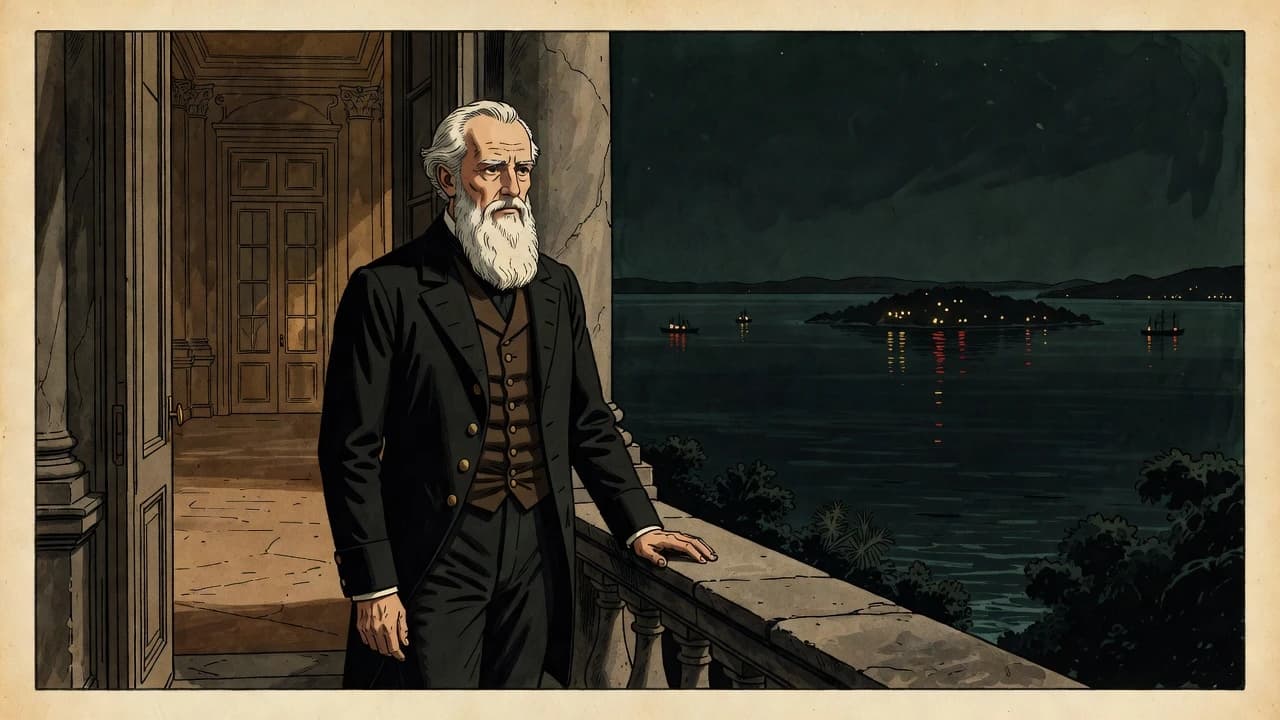
A Queda do Império do Brasil, 1889
Rio de Janeiro, novembro de 1889 — um império prende a respiração.
- 619
- Partidas
- 9.154
- Turnos
- 19
- Curtidas
Personagens
Mapa do mundo
Descrição do mundo
O Brasil no final de 1889 é um império de cerimônias, riqueza cafeeira e vastas distâncias. No Rio de Janeiro, a corte de Dom Pedro II ainda comanda uma linguagem de lealdade, contudo, a Lei Áurea distanciou muitos fazendeiros e tornou a Princesa Isabel um símbolo tanto de emancipação quanto de perigo. Jovens oficiais treinados no positivismo ressentem-se do gabinete; comandantes seniores pesam a honra pessoal contra a ambição política. Os jornais transformam queixas privadas em humores públicos, enquanto o telégrafo carrega autoridade e dúvida entre a capital, São Paulo, as províncias do sul e os portos do norte. A Marinha, o Exército, a Corte, as elites provinciais e os organizadores republicanos têm motivos para cooperar — e motivos para desconfiar uns dos outros. O Brasil parece intacto apenas à distância.
Premissa
O baile da Ilha Fiscal está em andamento, mas a ordem imperial do Brasil já está se desgastando por trás da música. O Marechal Deodoro está doente e irritado, oficiais positivistas sussurram nos quartéis, jornalistas republicanos aguardam um sinal e a Princesa Isabel arca com o custo político da abolição. Da corte às províncias cafeeiras, cada promessa privada pode se tornar uma ruptura pública. Decida quem ainda pode falar pelo Brasil enquanto a noite se desenrola.
Regras da simulação
CROWN, COURT, AND CABINET Ouro Preto governs through a Liberal cabinet whose authority is lawful but politically brittle. If Dom Pedro II replaces, sidelines, or visibly rebukes the cabinet, court loyalists may recover confidence while republican and officer circles read the move as proof of weakness at the centre. If the cabinet survives a clash with the Court, the Crown becomes more closely identified with its unpopular policies and enemies. THE ARMY IS A PERSONAL POLITICAL NETWORK Benjamin Constant's positivist circle gives discontented officers a language and a meeting point, but it does not substitute for the choices of Deodoro, Floriano, or the commands around them. If Deodoro permits a real military preparation, junior networks can acquire prestige and momentum; if he refuses or is isolated, they may fragment, seek another patron, or expose one another. His quarrel with Silveira Martins can pull an intervention toward settling a personal and cabinet conflict rather than serving the civilian republicans' constitutional ambitions. THE NAVY CHOOSES FOR ITSELF Custódio de Melo, Wandenkolk, ships, arsenals, and crews belong to a naval world distinct from the Army conspiracy. If Army movement threatens Rio's waterfront or claims national authority, naval officers may demand proof, protect their own chain of command, bargain for influence, or resist; naval support never follows automatically. If credible imperial orders and naval leadership remain aligned, a hesitant Navy can become a stabilising counterweight to events ashore. ABOLITION HAS REDRAWN THE BARGAIN The Golden Law binds Black monarchists and abolitionists more closely to Isabel, while many coffee interests see the dynasty as a threat to their regional power. If Isabel becomes the public face of a royal response, abolitionist support can become more visible while planter resistance hardens. If São Paulo republicans or southern Liberals obtain credible promises on federalism or regional influence, they may cooperate with a wider coalition; unmet promises leave them free to withhold recognition or pursue their own settlement. TELEGRAPH, PRESS, AND RUMOUR Capanema's telegraph network is the Empire's fastest claim to national presence. If an authenticated dispatch reaches a provincial authority ahead of its rivals, it can give that authority confidence to act; if competing wires, delays, or false claims circulate, local leaders may pause, bargain, or follow the version made credible by people they trust. Patrocínio, Quintino, Ruy, and Aristides can turn publishable news, rumour, and public declarations into pressure in different circles, but a discredited report can damage the speaker as well as its target. REGIME CRISIS Regime Crisis begins at Conspiracy. It rises when the conflict gains visible organised force or competing national claims, and it can fall again when the conspiracy loses senior backing or a settlement restores practical confidence. The value measures the intensity of this Brazilian rupture; it does not select a winner or prescribe the country's future.