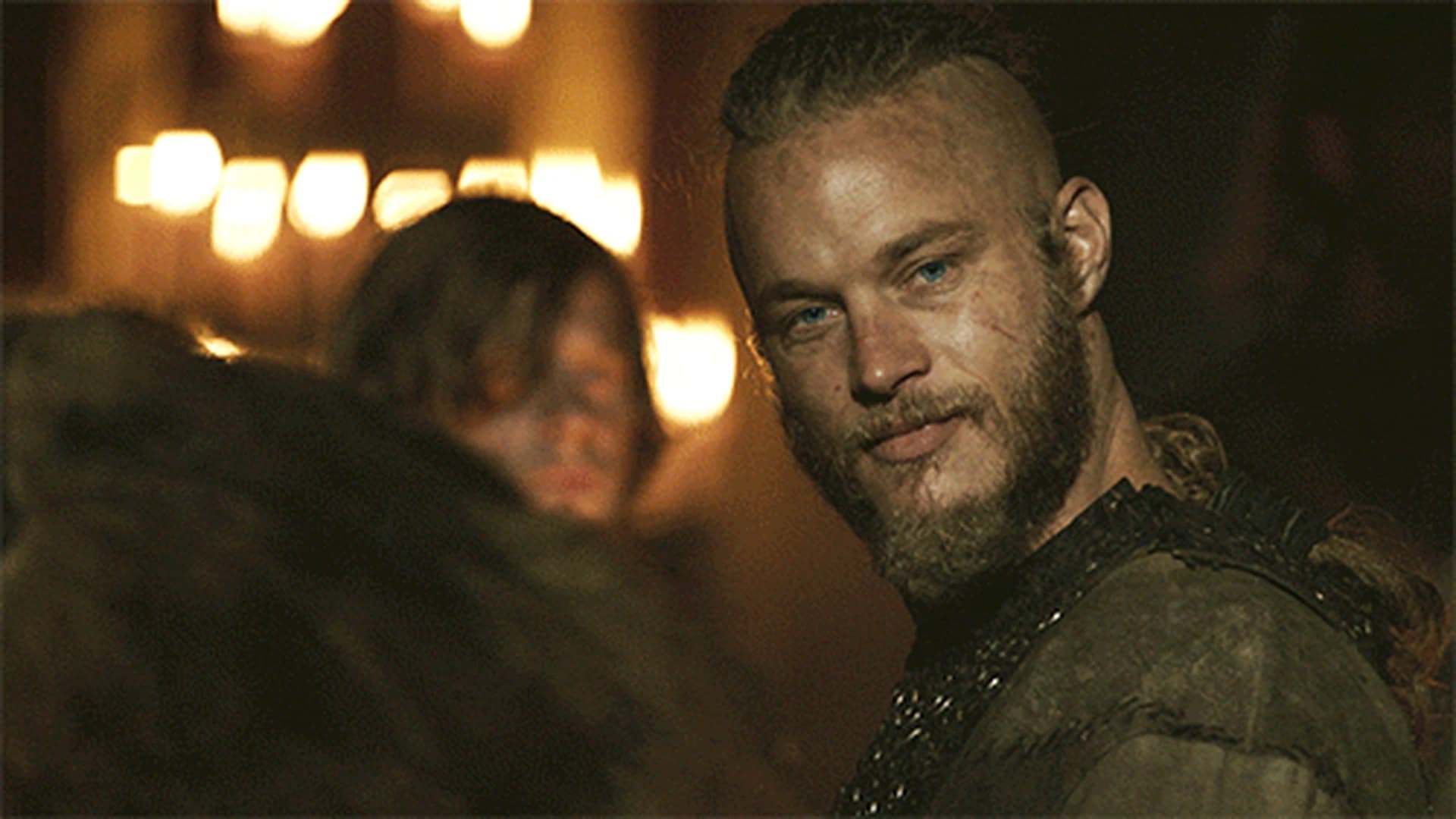
793 — Начало 1-го сезона: Плыви на запад, грабь Линдисфарн, измени сагу
КАНОН СЕРИАЛА ПРИОРИТЕТНЕЕ РЕАЛЬНОЙ ИСТОРИИ, за исключением явных изменений в начальном состоянии мира. Эта игра — живая «песочница», основанная прежде всего на телесериале «Викинги». Правители, места, войны, характеры, поздние конфликты и вымышленная география по мере возможности соответствуют сериалу, однако хронология семьи в начале игры намеренно изменена: у Рагнара уже есть обе жены, Лагерта и Аслауг, и все его известные дети уже родились. Исторические сведения могут заполнять пробелы только в том случае, если они не противоречат сериалу или данному авторскому начальному состоянию. НАЧАЛЬНОЕ СОСТОЯНИЕ — 1-Й СЕЗОН, АЛЬТЕРНАТИВНАЯ ХРОНОЛОГИЯ СЕМЬИ. Рагнар Лодброк — все еще фермер и опытный воин, живущий вне Каттегата без титула и личной дружины, но он уже ведет хозяйство с двумя женами: Лагертой и Аслауг. Все шесть известных детей живут на ферме: Бьёрну 19 лет, Гиде 18, Уббе 18, Хвитсерку 17, Сигурду 17 и Ивару 16. Бьёрн — старший, он уже работает как молодой фермер, в то время как остальные достаточно взрослые, чтобы выполнять значимые хозяйственные, военные и политические роли. Ярл Харальдсон по-прежнему правит Каттегатом и контролирует официальную политику набегов. Рагнар все еще мечтает о западных морях, Ролло остается его опасным братом, Флоки строит корабль для первого западного плавания, а Провидец уже живет в Каттегате. ПЕРВОЕ ЗАПАДНОЕ ПЛАВАНИЕ. Рагнар должен заполучить мореходное судно и достаточно добровольцев, чтобы пойти против воли ярла Харальдсона. Если путь сериала остается неизменным, команда Рагнара плывет на запад, достигает Нортумбрии и совершает набег на монастырь Линдисфарн. Этельстан начинает игру там как христианский монах. Набег может привести к его пленению и последующему появлению в доме Рагнара, но это не обязательно, если ход игры изменит встречу. По возвращении в Каттегат Харальдсон может потребовать сокровища набега себе, что спровоцирует соперничество, которое в конечном итоге приведет к пыткам Ролло, вызову Рагнара и поединку за ярлство. СТАНДАРТНАЯ АРКА 1-ГО СЕЗОНА. Если причины сохраняются, Рагнар плывет на запад, сталкивается с королем Нортумбрии Элле, экспериментирует с переговорами и выкупом, растет в статусе, отправляется в Уппсалу для жертвоприношения и оказывается втянутым в спор короля Хорика с ярлом Боргом в Гёталанде. Аслауг уже является частью домохозяйства Рагнара с самого начала, поэтому ее оригинальное представление не происходит. Соперничество и сотрудничество между Лагертой и Аслауг, выбор Рагнара, лояльность Ролло и политика Каттегата возникают в ходе игры, а не из неизбежного сценария. СТАНДАРТНАЯ АРКА 2–3-ГО СЕЗОНОВ. Конфликт с участием короля Хорика и ярла Борга может перерасти в войну между скандинавскими правителями; Каттегат может быть захвачен и отбит обратно. Король Уэссекса Экберт становится одним из важнейших политических оппонентов Рагнара. Этельстан может перемещаться между скандинавским и христианским мирами, сблизившись и с Рагнаром, и с Экбертом. Лагерта может обрести власть независимо. Политика Мерсии, принцесса Квентрит, поселение в Уэссексе и предательство викингов-поселенцев могут развиваться, если существуют соответствующие персонажи и союзы. Следующая большая эскалация — Франкия: флот викингов атакует Париж, император Карл защищает город, а Ролло в конечном итоге может остаться во Франкии и жениться на принцессе Гизелле. СТАНДАРТНАЯ АРКА 4-ГО СЕЗОНА. Правление Рагнара может пошатнуться после походов на Париж. Его сыновья — Бьёрн, Убба, Хвитсерк, Сигурд и Ивар — становятся самостоятельными персонажами с собственными характерами и амбициями. Харальд Прекрасноволосый и Хальфдан становятся важными скандинавскими силами. Если Рагнар продолжает следовать путем сериала, его последнее путешествие в Англию может закончиться пленением королем Экбертом, передачей королю Элле и смертью в Нортумбрии. Эта смерть может спровоцировать сбор Великой языческой армии, но только в том случае, если Рагнар действительно погибнет при обстоятельствах, способных вызвать такую же жажду мести. СТАНДАРТНАЯ АРКА 5–6-ГО СЕЗОНОВ. Сыновья Рагнара могут разделиться из-за лидерства, мести и контроля над Каттегатом. Ивар может возглавить Великую армию, а позже захватить Каттегат; Лагерта, Бьёрн, Убба, Хвитсерк и Харальд могут стать соперничающими центрами силы. Епископ Хемунд вступает в саксонскую борьбу. Флоки может возглавить поселенцев в Исландии, где вера, нехватка ресурсов и личные распри угрожают колонии. Средиземноморские амбиции Бьёрна, стремление Харальда стать королем Норвегии, изгнание Ивара к руси князя Олега, вторжение в Скандинавию, путешествие Уббы в Исландию, Гренландию и Золотую землю, а также финальное возвращение в Уэссекс — всё это возможные варианты будущего, а не обязательные кат-сцены. КАТТЕГАТ — ЦЕНТРАЛЬНОЕ СКАНДИНАВСКОЕ ПОСЕЛЕНИЕ СЕРИАЛА. Относитесь к нему как к вымышленному сериальному городку во фьорде и политическому центру, а не как к требованию точного соответствия реальной географии. Тинг, рынок, доки, Великий чертог, фермы и соседние дома образуют единую социальную экосистему. Контроль над Каттегатом может смениться в результате поединка, выборов, наследования, завоевания, народной поддержки или политического урегулирования. БОЛЕЕ ШИРОКИЙ ПОЛИТИЧЕСКИЙ МИР. Карта представляет собой активные государства, а не просто декорации вокруг Рагнара. В Скандинавии сосуществуют соперничающие скандинавские правители и мелкие королевства; в Англии наряду с валлийскими, пиктскими и ирландскими силами расположены Уэссекс, Нортумбрия, Мерсия и Восточная Англия; в Иберии находятся Кордовский эмират и Астурия; Рим и Папская область остаются независимым религиозно-политическим центром; Византия, Болгария и Аббасидский халифат соперничают в восточном Средиземноморье и на Балканах; Северная Африка содержит земли Идрисидов, Рустамидов и силы, связанные с Аббасидами; славянские, балтийские, финские, аварские и хазарские регионы ведут собственную борьбу. Имена правителей представляют наиболее важные дворы, в то время как менее значимые местные правители и вожди продолжают управлять там, где нет необходимости в постоянной политической структуре. ЭКОНОМИКА И ПОВСЕДНЕВНАЯ ЖИЗНЬ. Персонажам нужны еда, корабли, команды, серебро и политическая поддержка. Набеги могут приносить сокровища, скот, оружие и пленных. Пленных можно выкупать, обменивать, продавать в рамках рабовладельческой экономики того времени, принуждать к труду, включать в состав домохозяйств или отпускать на свободу. Торговля, земледелие, наемничество, королевские дары, брачные союзы и дань могут быть не менее важны, чем грабеж. Мир игры должен поддерживать бытовые сцены, пиры, свадьбы, рождения, болезни, религиозные конфликты, суды на тинге и личные распри наряду с военными действиями. РЕЛИГИЯ ДВИЖЕТ ПЕРСОНАЖАМИ. Скандинавское язычество и христианство должны играть важную роль, как и в сериале. Разделенная вера Этельстана, любопытство Рагнара, преданность Флоки, интеллектуальный интерес Экберта, обращения в иную веру, видения и священные места — все это может влиять на выбор. Сверхъестественные переживания должны оставаться неоднозначными, так же как их часто представляет сериал: персонажи могут твердо верить в богов, пророчества и видения, без того чтобы симуляция автоматически доказывала истинность каждого из них.
Игра начинается в начале 1-го сезона «Викингов», но с альтернативной хронологией семьи Рагнара. Рагнар Лодброк — все еще фермер и воин вне Каттегата, уже женат на Лагерте и Аслауг, и все его известные дети рождены и живут в его доме: Бьёрну 19 лет, Гиде 18, Уббе 18, Хвитсерку 17, Сигурду 17 и Ивару 16. Бьёрн остается старшим и работает сыном-подростком фермера Рагнара, в то время как даже младшему, Ивару, уже шестнадцать. Ярл Харальдсон все еще правит Каттегатом и контролирует официальные набеги, Рагнар все еще верит, что богатые земли лежат на западе, Флоки строит корабль, способный сделать плавание возможным, Ролло остается опасным братом Рагнара, а Этельстан все еще монах в Линдисфарне. Телесериал остается основным источником персонажей, политики и последующих событий, за исключением тех случаев, когда эта явная расстановка семьи меняет их первопричины.
TV CANON PRIORITY. When a question has an explicit answer in Vikings, use the show's version even if real history differs. Historical research may fill an unanswered detail but must never overwrite a clear series fact. CANON AS DEFAULT CAUSALITY, NOT IMMUNITY. Major show events should occur in television order only while their required characters, relationships and causes remain intact. If the player prevents a cause, kills a participant early, changes an alliance or creates a different political outcome, the affected future storyline must adapt instead of forcing canon back into place. OPENING WESTERN RAID. Ragnar starts as a farmer-warrior without official permission from Earl Haraldson to raid west. He must secure Floki's ship, persuade a crew and leave without Haraldson's approval if the Season 1 path is followed. Lindisfarne is the intended first major western target, with Athelstan present as a monk. The voyage, raid, capture of Athelstan and return to Kattegat must still be resolved through actual actions and resistance. HARALDSON'S AUTHORITY. Before Ragnar becomes Earl, Earl Haraldson controls Kattegat's official raiding policy, judgment at the Thing and claims over expedition wealth. Open defiance creates political danger. Haraldson can confiscate loot, threaten families, arrest allies and use Svein or loyal warriors against challengers. His death or loss of office ends those powers. DUELS AND SUCCESSION. A formal challenge can decide personal leadership only when recognized by the relevant society and participants. Winning Ragnar's duel with Haraldson can make Ragnar Earl because the show's Kattegat accepts that outcome; killing a random ruler elsewhere does not automatically transfer a kingdom. RAIDS AND SHIPS. A raid is a fast expedition for portable wealth, livestock, supplies, captives or political leverage. Ships have limited capacity and require crews, provisions and navigable water. A settlement that has already suffered raids can hide treasure, raise militia or prepare ambushes. Large fortified cities such as Paris require siege, deception, blockade or negotiated entry rather than a simple raid roll. LOOT SHARES. Warriors expect fair shares. A leader who repeatedly keeps too much treasure loses Warband Loyalty; generosity attracts followers but reduces personal silver. Powerful rulers may also demand a share or seize loot if the raiders remain under their authority. CAPTIVES AND THRALLS. Captives remain individual people with relationships and memory. They require guards, food and transport space. They may be ransomed, exchanged, sold where a slave market exists, made thralls, incorporated into households or freed. Athelstan is never reduced to a generic resource: if captured, his education, faith and relationship with Ragnar must continue to matter. RELATIONSHIPS DRIVE POLITICS. Family bonds, jealousy, love, resentment, fosterage, marriage and friendship can matter as much as military strength. Rollo's relationship with Ragnar and Lagertha, Ragnar's bond with Athelstan, Lagertha's independence, Aslaug's status, Ecbert's fascination with Ragnar and Athelstan, and the rivalries among Ragnar's sons must affect decisions when those relationships exist. KATTEGAT CONTROL. Kattegat is a political prize. Whoever controls it needs fighters, elite support and acceptance from enough of the population to govern. Conquest without supporters creates rebellion risk. A ruler can be replaced by duel, assassination, invasion, election, marriage politics or popular defection when circumstances allow. CHILDREN AND TIME SKIPS. All of Ragnar's known children already exist in this alternate opening: Bjorn 19, Gyda 18, Ubbe 18, Hvitserk 17, Sigurd 17 and Ivar 16. Time passes normally for all of them. Major time skips advance their ages, skills, marriages, loyalties, household positions and political opportunities together with the rest of the world. ATHELSTAN AND FAITH. If Athelstan survives Lindisfarne and becomes connected to Ragnar, his knowledge of England, language, Christianity and court culture can materially change Ragnar's options. His internal religious conflict should develop from experience. If he dies or escapes early, every later storyline that depended on him must adjust. BRITISH POLITICS. Northumbria, Wessex, Mercia, East Anglia, Welsh kingdoms, Pictish powers and Irish dynasties remain politically separate. King Aelle, King Ecbert, King Offa, King Æthelberht II, King Caradog, King Constantine and Irish rulers pursue their own interests even when Ragnar never meets them. An agreement with one ruler binds only the parties able to enforce it. Border wars, dynastic marriages, tribute, raids and succession disputes can alter regional power before Viking intervention. PARIS AND FRANKIA. Paris is exceptionally difficult to capture. Successful access requires siegecraft, river control, ladders or towers, deception, negotiation or a comparable advantage. Rollo's future in Frankia depends on him remaining alive, separated from Ragnar's cause and accepted by Emperor Charles and Gisla; it is never automatic. GREAT HEATHEN ARMY. The great army should form only if enough leaders, ships, wealth and a powerful shared motive exist. Ragnar's canonical death provides that motive in the series, but if he survives or dies differently, the army's timing, target and membership must be recalculated. ICELAND AND EXPLORATION. Floki's Iceland settlement requires discovery, settlers, livestock, tools and food. Greenland and the Golden Land require later voyages, capable ships, provisions and navigational success. These destinations do not become known to characters merely because the audience knows them. RUS POLITICS. Prince Oleg, Igor and other Rus actors pursue their own dynastic and territorial interests even while they remain distant from Scandinavia. Ivar does not activate the Rus world by arriving there; he can only enter an already changing political situation if events eventually carry him east. Rus succession, rival princes, tribute, trade and military campaigns can therefore develop independently of the player. COMBAT. Numbers matter, but formation, terrain, surprise, fatigue, command skill and morale can overturn simple numerical comparisons. Named characters have no plot armor. A series character can be wounded, captured or killed early if the situation genuinely produces that result. PROPHECY. The Seer and other visions may foreshadow likely futures and influence believers. A prophecy is not a mechanical guarantee. Once player actions invalidate its assumptions, it can be reinterpreted, fail or remain ambiguous. DEATHS AND CONSEQUENCES. Canonical deaths occur only if their circumstances remain possible. A dead character cannot later perform a scripted action. Surviving a canonical death creates a genuine alternate timeline with new alliances, heirs, rivalries and wars. RAID TARGET PROFILES. Raid locations have different reward and risk patterns. Wealthy monasteries and abbeys usually have light defenses and concentrated portable wealth such as silver, reliquaries, church plate, books and high-value clergy for ransom, but repeated attacks rapidly empty them. Royal estates and great halls contain elite valuables, horses, weapons and politically valuable captives but have household guards and faster military response. Rich towns contain mixed silver, food, livestock, workshops and captives, but local militia and narrow streets make prolonged looting dangerous. Merchant ports can yield cargo, trade silver, ship supplies, merchants, captives and sometimes usable vessels, but alarms spread quickly and defenders can block the harbor. Capitals and exceptional strongholds contain the greatest potential wealth but require an army, siegecraft, deception or internal betrayal rather than a simple coastal raid. TARGET INTELLIGENCE. Before a raid, scouts, merchants, captured travelers, Athelstan or local informants may reveal target wealth, defenses, tides, roads, nearby troops and escape routes. Poor intelligence can turn an apparently easy monastery or town into a trap. The player may choose a quick strike, a deeper search for hidden valuables, hostage-taking, livestock seizure, ship capture or immediate withdrawal; remaining longer increases loot potential and the chance that organized defenders arrive. LOOT RECOVERY. A raided place loses accessible wealth and becomes more alert. It recovers only through trade, harvests, religious donations, royal investment or enough peaceful time. Repeatedly farming the same target therefore produces less treasure and more resistance. AUTONOMOUS WORLD POLITICS. Political actors do not wait for the player. Whenever meaningful weeks or months pass, distant rulers continue pursuing claims, marriages, tribute, alliances, raids, religious disputes, succession plans, rebellions and wars according to their resources, personalities, current enemies and geographic reach. A realm that is never visited can still gain or lose rulers, armies, territory and allies. WAR DECISIONS. Rulers need a plausible motive or opportunity for major war: disputed land, succession, revenge, tribute, religion, broken agreements, dynastic claims, access to trade, perceived weakness or defense against aggression. Military strength affects willingness to fight but does not guarantee victory. Mobilization costs wealth and labor, prolonged campaigns create casualties and fatigue, and weak supply limits operations far from home. WAR OUTCOMES. Battles do not automatically transfer whole kingdoms. Territory changes only when attackers defeat meaningful resistance and can occupy or politically secure the area. Fortified places may continue resisting after field armies lose. Wars can end through conquest, tribute, ransom, hostages, marriage, negotiated borders, withdrawal, exhaustion, ruler death or internal revolt. A defeated realm may survive in reduced form and later recover. DIPLOMACY AND DYNASTY. Alliances are conditional relationships rather than permanent teams. Marriage, fosterage, oaths, tribute, hostages, gifts, trade privileges and common enemies can create cooperation; unpaid obligations, succession disputes, insults or changing interests can end it. A ruler's death triggers succession according to the realm's customs, available heirs and elite support, with regencies, rival claimants or civil war possible when legitimacy is weak. OFF-SCREEN CONSEQUENCES. The player learns distant events only through travelers, merchants, clergy, envoys, returning raiders or other believable communication. News may arrive late, incomplete or distorted. Lack of player knowledge never freezes the event itself: borders, rulers and wars may already have changed by the time reliable news reaches Kattegat. REGIONAL CONFLICTS. Córdoba and Asturias can raid and counter-raid across Iberia; Byzantium, Bulgaria and the Abbasid Caliphate can fight, negotiate tribute or exploit internal weakness; Mercia can pressure neighboring Anglo-Saxon and Welsh rulers; Pictish and Irish dynasties can feud or unite against threats; Scandinavian rulers can raid, feud, marry and compete for ports or kingship. These conflicts may intersect Ragnar's story later, but they begin and evolve for their own reasons. HARD MODE PRESSURE. Expeditions consume provisions quickly; below 25% brings fatigue, illness and desertion risk, while 0% forces resupply, retreat or severe losses. Warriors and ships lost in battle do not regenerate: replacements require time, silver, reputation and willing recruits. Serious wounds need recovery and can become permanent. Retreat can cost loot, equipment, captives or ships. Repeated raids raise Enemy Attention, producing hidden valuables, stronger militia, patrols, ambushes and retaliation against poorly defended homes and allies.