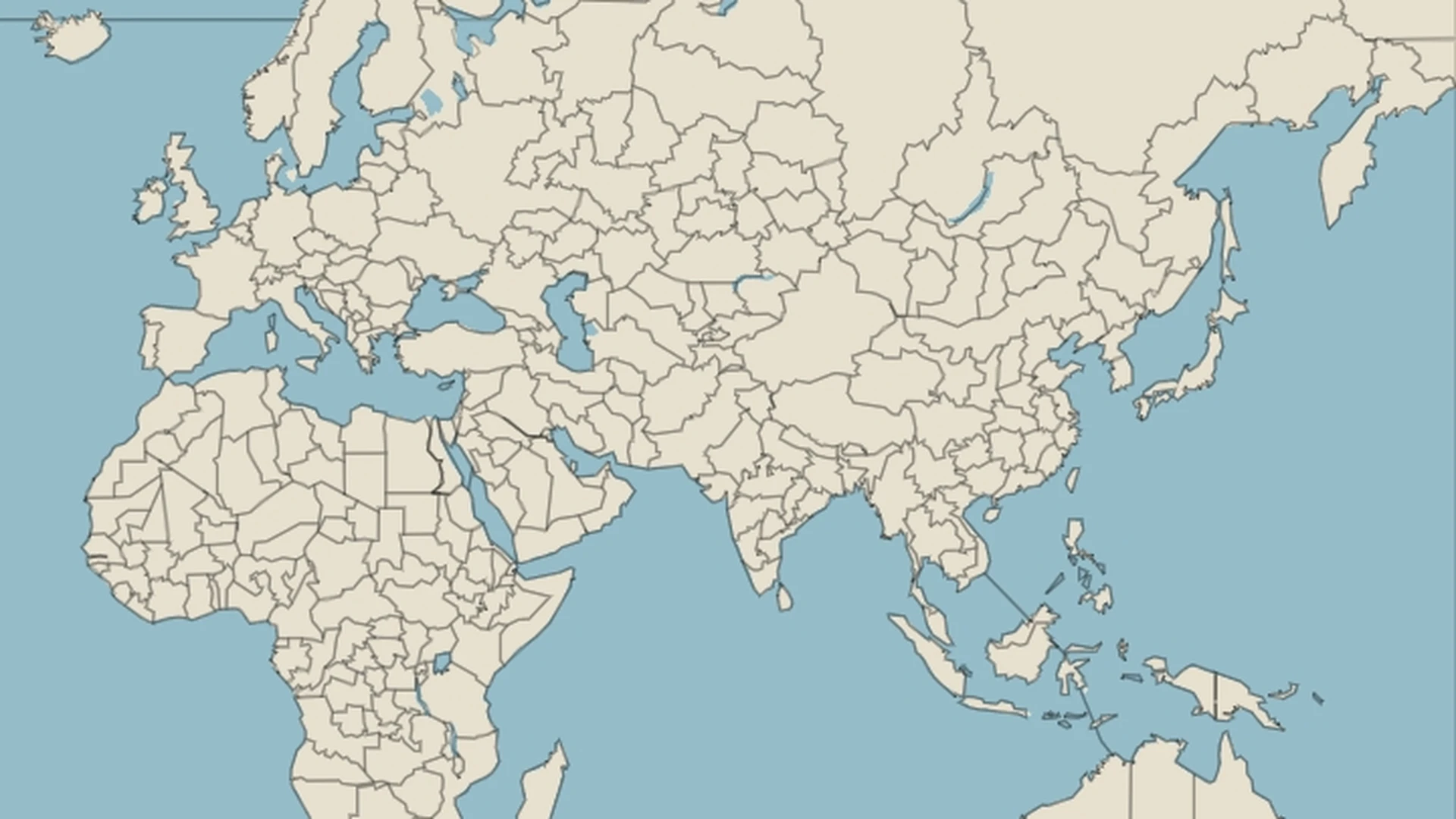
World of 1300 — An Age of Provinces and Dynasties
A world fragmented between the Mongol legacy, principalities, and rising powers
- 12
- Games
- 87
- Turns
- 0
- Upvotes
Characters
World Map
World Description
In 1300, the Mongol Empire has disintegrated into the Ilkhanate, the Golden Horde, the Chagatai Khanate, and the Yuan Dynasty. In Anatolia, principalities such as the Ottomans, Karamanids, Germiyanids, Aydinids, and Candarids are gaining strength. While the Mamluk Sultanate controls Egypt and Syria, Byzantium struggles to hold onto Western Anatolia and Thrace. In Europe, the Holy Roman, French, English, and Iberian kingdoms maintain their feudal structures. The Delhi Sultanate in India, Mali in West Africa, Ethiopia in East Africa, and Majapahit in Southeast Asia are significant powers. Trade routes, caravanserais, and ports hold strategic importance. Religious and sectarian allegiances serve as one of the primary sources of political legitimacy.
Premise
In the spring of 1300, the world is in the midst of a great transformation. The Mongol Empire has fractured into four parts, and Turkmen principalities are on the rise in Anatolia. The Mamluks, Byzantines, European kingdoms, and local powers in distant lands are all pursuing their own interests. Religious leaders, khans, monarchs, and tribal chieftains are engaged in military, political, and cultural struggles.
Simulation Rules
Ordular ve gruplar kendi siyasi güçlerinin hâkim olduğu veya müttefik bölgelerde daha serbest hareket eder; düşman topraklarında lojistik maliyeti artar. Dini liderlerin fetva veya çağrıları aynı mezhepteki varlıkların sadakatini kısa süreli etkileyebilir. Kervansaraylar ve limanlar ticaret geliri üretir ve kontrol eden güce avantaj sağlar. Haberleşme ve seferler dönemin ulaşım imkânlarıyla sınırlıdır.