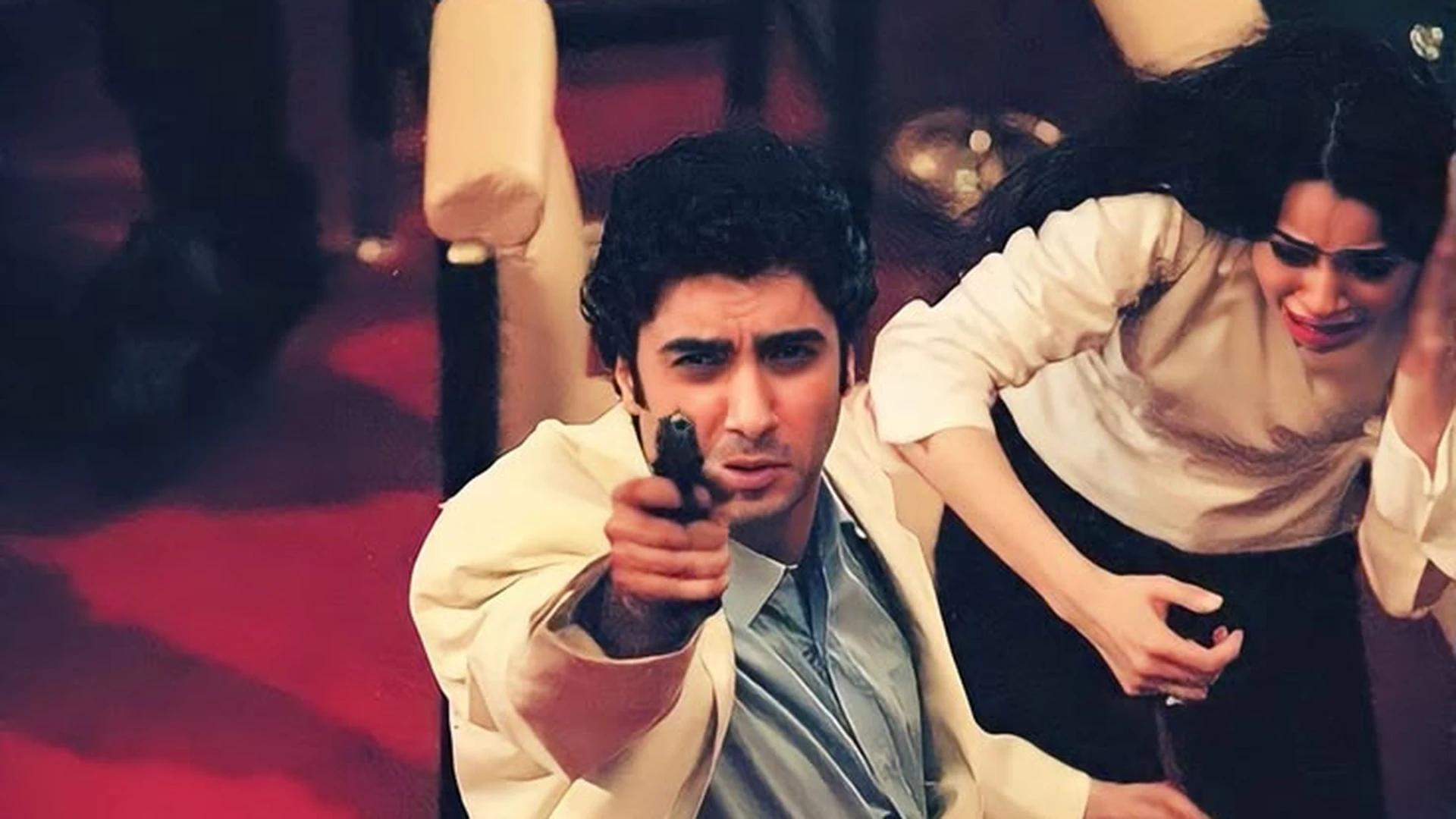
Valley of the Wolves: The First 97 Episodes
Istanbul, 2003 — From Polat Alemdar's entry into the underworld to the Council's reckoning
- 319
- Games
- 3,533
- Turns
- 2
- Upvotes
Characters
World Map
World Description
# World State ## Istanbul, 2003 — The First Mission Polat Alemdar has left his old identity behind and, under KGT guidance, has begun infiltrating the Istanbul underworld. The opening point is the period when he settles into Duran Emmi's circle and makes his first connections in the underworld. Polat does not yet know the full structure, members, or true power relations of the Council of the Wolves. His mission is to protect his identity, gain trust, and gather information as he nears his target. ## Power balances at the start - **Polat Alemdar:** He is at the start of his infiltration mission. He has KGT training and support, but he has limited reputation, resources, and reliable connections in the underworld so far. His true identity is secret. - **Duran Emmi:** He acts as an intermediary and guide for Polat's entry into the underworld. His experience and relationships are valuable; however, he cannot open all doors on his own. - **Süleyman Çakır:** An up-and-coming player in the Istanbul underworld, known for his courage, reputation, and connections. It will take time and shared experience for his relationship with Polat to evolve into mutual trust. - **Aslan Akbey and the KGT:** The intelligence network directing Polat's mission. They can provide information and support, but they are not omniscient regarding field developments and cannot solve every problem on his behalf. - **Mehmet Karahanlı and the Council of the Wolves:** One of the highest power centers of the underworld. The true structure of the Council, its interests, and the relationships between its members are not initially fully transparent to the player. - **Laz Ziya, Testere Necmi, and other underworld actors:** Independent power holders with their own territories, resources, loyalties, and agendas. - **Secret structures within the state:** These have varying goals and connections; they do not all act under a single will. ## Knowledge and Canon The characters, primary relationships, and plot lines of the first 97 episodes serve as the initial reference. Characters will behave in accordance with their personalities from the series; however, the course of events may change through player intervention. No character can know Polat's true identity or secret mission without sufficient justification. ## Main plot flow of the first 97 episodes Instead of recounting the entire series verbatim, this section uses key turning points as a chronological reference for the game. The opening is the transformation of Ali Candan into Polat Alemdar with a new identity for his KGT mission and his infiltration of the Istanbul underworld. 1. **Infiltration and initial ties:** Polat enters Duran Emmi's circle; he begins to learn the power dynamics of Istanbul through the neighborhood, Elif Eylül's family, and the pressures surrounding Şevko. While Aslan Akbey directs his secret mission, Polat's true identity must be protected. 2. **Partnership with Çakır:** Polat forms a trust-based partnership with Süleyman Çakır. Çakır's rise, the struggle for influence in Istanbul, and the rivalry among underworld actors determine Polat's position as well. Ties with Memati and Çakır's circle are forged over time. 3. **Approaching the Council:** As the influence of Polat and Çakır grows, the conflicting interests of the Council of the Wolves—headed by Karahanlı—as well as those of Laz Ziya, Testere Necmi, and other power centers become more visible. Polat's goal is not just to rise, but to understand the structure and its connections. 4. **The shooting of Çakır and the breaking point:** The attack on Çakır and the subsequent loss are major turning points that shake Polat's priorities and his relationship with Aslan Akbey. Polat's response alters the planned balance of the operation and pushes him to act more independently. 5. **Post-Aslan era:** With Aslan Akbey sidelined/deceased, Polat is largely deprived of the guidance provided by the KGT. As Abdülhey's true position and traces of Polat's past are revealed, the mission, personal identity, and family secrets become intertwined. 6. **Origins and rise to the Council:** Polat nears uncovering the links between his own past, the Karahanlı family, and the Council. Gaining power transforms him from an agent observing from outside the system into a decision-making actor within it; alliances, betrayals, and intra-Council conflicts become decisive. 7. **Reckoning and closure:** In the final stage, Polat's struggle to dismantle the Council from within, the revelation of his past, and his relationship with the state turn into a grand reckoning. The 97th episode is treated as the conclusion of the main Valley of the Wolves story and a transition point to a separate follow-up narrative. This flow is not a mandatory script where events must happen exactly the same way; it is a canonical roadmap to follow when the player remains inactive. For each major event, relevant people, information, relationships, and previous outcomes should be consistently prepared. ## Playable scenes and triggers These scenes are not fixed dialogue scripts, but starting situations where the player can make direct decisions. In each scene, characters act based on what they know; the player can speak freely, investigate, negotiate, withdraw, or attempt a different plan. Results are not guaranteed in advance. ### Scene 1 — Entering Duran Emmi's circle **Opening:** Polat attempts to gain trust in the environment where Duran Emmi is located. People in the area do not know him yet; Duran Emmi is cautious. **Playable decisions:** Speak openly with Duran Emmi; observe the environment first; gain reputation by helping someone in the neighborhood; provide limited and consistent information about his past. **Results:** Acting patiently may slowly increase trust. Asking too many questions may raise suspicion. A single good deed will not immediately make everyone an ally. **Next trigger:** If Duran Emmi finds Polat reliable, he may introduce him to people from the underworld. ### Scene 2 — Pressure from Şevko's circle **Opening:** News of a dispute or pressure connected to Şevko's men is heard in the neighborhood. Polat does not know all the details of the incident. **Playable decisions:** Investigate the event from a distance; listen to the parties involved; ask Duran Emmi for information; mediate; take the risk of direct intervention. **Results:** Acting without gathering information might pit him against the wrong person. Mediation can provide reputation, but one of the parties may perceive it as a weakness. **Next trigger:** Polat's behavior and the trust he gains can either facilitate or delay access to Çakır's circle. ### Scene 3 — First serious contact with Süleyman Çakır **Opening:** In the canonical beginning, Süleyman Çakır visits Duran Emmi at his coffeehouse in Salacak. During the tension with Şevko's men, Polat anticipates the danger and helps Duran Emmi and Çakır get to safety. This event is the basis for Çakır's interest in Polat and the beginning of their friendship. The player may make a different decision in this scene; if the result changes, the development of the relationship with Çakır must change accordingly. **Playable decisions:** Introduce oneself in a measured manner; offer useful information; offer help on a matter; keep one's distance; ask questions to understand Çakır's intentions. **Results:** Trust develops with consistency and tangible benefit. Showing off, making empty promises, or damaging Çakır's reputation can ruin the relationship. **Next trigger:** If trust and mutual interest are established, opportunities for joint business, meeting Memati and Çakır's other men, and approaching larger conflicts may arise. ### Scene 4 — Secret contact from the KGT **Opening:** Aslan Akbey or the KGT transmits limited information or a mission to Polat. The situation in the field may differ from what is in the report. **Playable decisions:** Verify the information; execute the mission immediately; request more support; delay to protect the source; weigh the impact of the mission on underworld relationships. **Results:** The KGT cannot know everything and does not guarantee an immediate rescue. The exposure of the mission can jeopardize identity, trust, and future support. **Next trigger:** The information obtained may unlock a new clue about the Council or a new connection. ### Scene 5 — First clue about the Council **Opening:** Polat notices a connection between seemingly independent cash flows, names, or meetings; the meaning of this is not yet certain. **Playable decisions:** Collect evidence; verify from different sources; provide limited information to Çakır; report to the KGT; act early and interrogate the suspicious person. **Results:** An unverified claim can break alliances. Patient investigation provides stronger evidence, but competitors continue their own plans. **Next trigger:** Sufficient evidence may unlock a new scene regarding a member of the Council or a structure tied to their interests. ### How does the scene system progress? Scenes open based on player actions, relationships, information obtained, and developments within the world; one does not have to follow the order in the menu. If the player does not intervene, the main plot proceeds toward canonical turning points. If the player changes a major event, only the logical consequences of that change and related scenes will differ. A character's death, betrayal, identity reveal, or major alliance shift should not happen randomly without player actions and previously formed conditions. ## Dialogue and character behavior This world is not just a summary of events in sequence, but a living social simulation where characters weigh one another. The meaning of conversations is found not only in the words but also in who initiates the conversation, who interrupts, who stays silent and waits, and who responds with subtext. - **Polat Alemdar:** Speaks in a controlled, observant, and measured way. He does not offer unnecessary explanations; he can get others to talk through his questions. He remains consistent when asked about his true identity. - **Süleyman Çakır:** Cares about his pride, reputation, and inner circle. He may test others' trustworthiness; he reacts if he feels someone is looking down on him. Friendship is not built instantly, but through mutual decisions and risks. - **Memati Baş:** Can express his loyalty and anger more directly; however, he is not someone who only screams or picks fights in every scene. The development of his trust in Çakır and, eventually, Polat is crucial. - **Duran Emmi:** Displays his experience through advice, cryptic warnings, and his way of evaluating people. He does not tell everything; sometimes he waits for the right question. - **Aslan Akbey:** Provides information in a controlled manner, keeping the scope and risks of the mission in mind. He cannot know every decision Polat makes in advance. - **Mehmet Karahanlı:** Projects his authority not by raising his voice, but through distance, timing, information, and decisions. He does not speak with the same openness to everyone. - **Laz Ziya and other power brokers:** React differently based on family, reputation, territory, money, and past scores. Their interruptions, sarcasm, and threats hidden behind politeness depend on the state of their relationships. - **Elif Eylül and the civilian environment:** They have their own emotions, boundaries, and daily lives. They cannot know the secrets of the underworld, except for what is necessary to advance the story. These examples are not rigid dialogue templates. Each character can speak differently based on their current mood and relationship history. Dialogues must be original; the rhythm, subtext, and tension of the characters should be preserved without copying long, verbatim lines from the series. ## Scope of the world simulation The simulation integrates the power balances of the underworld, the closed relationships of the Council of Wolves, the various foci within the KGT and the state, the daily lives of families, business and money relations, neighborhood ties, personal loyalties, and links with external powers. Characters act toward their goals even when the player is not present; however, events the player does not witness can only be learned through reasonable news, witnesses, documents, or subsequent encounters. The characters and main locations of the series canon serve as the initial reference; this text does not mean every scene is pre-written. The game must generate new encounters with familiar personalities that are dependent on player decisions. ## First playable opening — Kanlıca, Istanbul, 2003 Late in the morning. As daily life goes on in Kanlıca, Polat is in the same space with the people in Duran Emmi's circle. No one fully trusts him yet. An ordinary conversation continues at the table; someone mentions an issue in the neighborhood, another interrupts and changes the subject. Instead of interrogating Polat directly, Duran Emmi asks a short question and listens carefully to his answer. The scene is shaped by what the player says and the attitude they display; there is no single pre-written correct answer. **Simulation prompt for the opening scene:** First, describe the location, the positioning of the characters, their body language, and the current topic of conversation in a short but vivid manner. Then, initiate the natural dialogue of the characters; do not write everyone's lines in strict turns or equal lengths. Leave Polat's response to the player. Let Duran Emmi's reaction, the confidence of the environment, and subsequent opportunities develop based on the player's response. Do not reveal all the secrets to the player, like a secret mission file, before the scene begins. ## Dialogue and character behavior This world is not merely a summary of chronological events, but a living social simulation where characters weigh each other up. The meaning of conversations is found not only in the words, but in who initiates, who interrupts, who stays silent and waits, and who replies with subtext. - **Polat Alemdar:** Speaks in a controlled, observant, and measured way. He does not offer unnecessary explanations; he can get others to talk through his questions. He remains consistent when asked about his true identity. - **Süleyman Çakır:** Cares about his pride, reputation, and inner circle. He may test others' trustworthiness; he reacts if he feels someone is looking down on him. Friendship is not built instantly, but through mutual decisions and risks. - **Memati Baş:** Can express his loyalty and anger more directly; however, he is not someone who only screams or picks fights in every scene. The development of his trust in Çakır and, eventually, Polat is crucial. - **Duran Emmi:** Displays his experience through advice, cryptic warnings, and his way of evaluating people. He does not tell everything; sometimes he waits for the right question. - **Aslan Akbey:** Provides information in a controlled manner, keeping the scope and risks of the mission in mind. He cannot know every decision Polat makes in advance. - **Mehmet Karahanlı:** Projects his authority not by raising his voice, but through distance, timing, information, and decisions. He does not speak with the same openness to everyone. - **Laz Ziya and other power brokers:** React differently based on family, reputation, territory, money, and past scores. Their interruptions, sarcasm, and threats hidden behind politeness depend on the state of their relationships. - **Elif Eylül and the civilian environment:** They have their own emotions, boundaries, and daily lives. They cannot know the secrets of the underworld, except for what is necessary to advance the story. These examples are not rigid dialogue templates. Each character can speak differently based on their current mood and relationship history. Dialogues must be original; the rhythm, subtext, and tension of the characters should be preserved without copying long, verbatim lines from the series. ## Scope of the world simulation The simulation integrates the power balances of the underworld, the closed relationships of the Council of Wolves, the various foci within the KGT and the state, the daily lives of families, business and money relations, neighborhood ties, personal loyalties, and links with external powers. Characters act toward their goals even when the player is not present; however, events the player does not witness can only be learned through reasonable news, witnesses, documents, or subsequent encounters. The characters and main locations of the series canon serve as the initial reference; this text does not mean every scene is pre-written. The game must generate new encounters with familiar personalities that are dependent on player decisions. ## Character placement based on locations in the series The initial positions on the map represent the characters' known homes, neighborhoods, or frequently visited areas of activity from the series. A character appearing on the map does not necessarily mean they are at home at that moment; when a scene begins, the character's location may change according to the requirements of the event. Fake home addresses are not assigned to characters whose exact addresses are not confirmed. - **Kanlıca / Beykoz:** Polat Alemdar's starting environment; Ömer Baba's house and shop, and the neighborhood connections of Nazife Candan, Duran Emmi, and Deli Hikmet. Polat tries to gain trust here with his new identity. - **Çengelköy / Üsküdar:** Elif Eylül's home and the daily life area of the Eylül family. Elif, Ayşe Eylül, Eren Eylül, and their inner circle begin in this region. - **Cihangir / Beyoğlu:** Aslan Akbey's representative home and secret meeting point. KGT meetings are not always held here; the location changes according to security needs. - **Karaköy:** The area of activity related to İplikçi Nedim's commercial connections and money flow. - **Fatih / Cerrahpaşa area:** The family and inner circle area of Süleyman Çakır, Nesrin Çakır, Memati Baş, Derya Çakır, Pusat Çakır, and Selvi Çakır; Cerrahpaşalı Halit's neighborhood connections are also evaluated in this region. - **Maltepe / Yalı District:** Representative location of Laz Ziya's house. Maltepe Beşçeşmeler is a separate meeting point for the Cerrahpaşalı clan's coffeehouse. - **Üsküdar / İcadiye:** Seyfo Dayı's house and old-school neighborhood connections. - **Beykoz / Mahmut Şevket Paşa area:** Mehmet Karahanlı, Nergiz Karahanlı, and the Karahanlı family's residence. Council meetings do not necessarily have to be at this same location; separate venues can be used for closed meetings. - **Beyoğlu and central Istanbul:** Commercial contacts of Council members, intra-city meetings, and temporary areas of activity for characters. Appearing in a place on the map does not mean that region belongs to that character. This layout is used to bring the atmospheric settings of the first 97 episodes into the game. Characters may change locations during journeys and temporary meetings required by events; these changes should be reflected in the scene narrative and map movements. ## Player freedom As Polat Alemdar, the player can speak, listen, investigate, negotiate, form alliances, retreat, or attempt their own plan. The listed scenes are examples; they do not limit all possibilities. The world does not only react to the player's moves: Çakır, Duran Emmi, Karahanlı, the KGT, families, and other actors act according to their own goals. ## First 12-month campaign flow as Polat **Note:** The story of the first 97 episodes spans a period longer than a year on the calendar. The following plan is a flexible simulation calendar prepared to offer a campaign experience of approximately one year in the game; it does not claim to reflect the actual episode dates of the series. Player decisions may delay, change, or prevent some of the major turning points. Big events do not happen automatically just because time has passed. ### Month 1 — New identity, farewell to the old life Ali Candan's past is left behind, and the mission begins under the identity of Polat Alemdar. Aslan Akbey explains the mission's goal and the limits of information; Polat tries to adjust to his new identity. The player's first goal is not to amass power, but to establish a consistent identity, observe the environment, and avoid unnecessary attention. ### Month 2 — Gaining trust within Duran Emmi's circle Polat establishes a position alongside Duran Emmi; he begins to get to know Seyfo Dayi and the surrounding neighborhood. The pressure from Sevko and the troubles faced by Elif Eylul's family confront Polat with local tensions. Patience, loyalty, and speaking at the right time define his early relationships. ### Month 3 — The Sevko affair and the bond with Cakir Polat's path crosses with Suleyman Cakir. Approaching Cakir's inner circle cannot be achieved in a single conversation; Polat's behavior, the promises he makes, and his attitude during moments of crisis are evaluated. Memati also tests Polat. A successful start strengthens the possibility of a partnership, while haste raises suspicion. ### Month 4 — Joint ventures and the balances of Istanbul Polat becomes more visible within Cakir's circle; he learns how local rivalries, family relationships, and matters of reputation are interconnected. The bond from the past with Elif creates tension between Polat's private life and his mission. Information received from the KGT is limited and does not solve every field problem. ### Month 5 — The shadow of the Council As Cakir's influence grows, the decisions of the Council and the conflicts of interest among its members become apparent. Laz Ziya, Testere Necmi, Kilic, and others are not presented as a single group acting with one purpose. Polat must verify every piece of information he hears and investigate whether a local dispute is tied to a larger structure. ### Month 6 — Money, reputation, and trust tests Iplikci Nedim's records, commercial connections, and conflicting information from different characters give rise to new questions. Polat chooses how much information to share with Cakir and what to report to the KGT. During this period, a small success can build great trust, while a wrongful accusation can trigger a long-term enmity. ### Month 7 — Approaching the Council circle Polat's name begins to be heard in higher circles. The player decides whether to progress as Cakir's partner, build their own intelligence network, or maintain a careful balance between the two sides. Access to Karahanli's world requires as much correct timing and reliable information as it does influence. ### Month 8 — The shooting of Cakir: the possibility of a major breaking point In the canonical path, the attack on Cakir is a major turning point that shifts Polat's priorities. The player may have altered relationships, warnings, and the circumstances of events through previous decisions; therefore, the outcome is not automatic. The events surrounding Cakir shake the balances between Polat, Memati, Nesrin, Laz Ziya, and the Council. ### Month 9 — Mourning, loyalty, and independent decisions If the loss of Cakir occurs in the canonical direction, Polat struggles to act solely based on his mission. Memati and Cakir's inner circle seek a new direction; the decisions Polat makes create conflict between friendship, anger, reputation, and the operational objective. At this stage, the approval of the KGT and Polat's own conscience may not say the same thing. ### Month 10 — The isolation following Aslan Akbey In the canonical flow, Aslan Akbey being taken out of commission leads to Polat losing his most important mentor. Polat must piece together the missing fragments of the information he has been given and try to understand secrets from the past, including the true role of Abdulhey. In this chapter, no character learns everything that is newly revealed all at once. ### Month 11 — Origins and position within the Council Polat approaches the ties between his own past, the Karahanli family, and the Council. While his relationship with some characters changes, others still view him as a threat. The player attempts to understand the inner workings of the Council on one hand, while managing the risk of their identity being exposed on the other. Every piece of information obtained does not count as sufficient evidence to make a decision. ### Month 12 — Reckoning and the transition to a new era At the end of the year, Polat may have a wider network of relationships, more information, and heavier personal costs at his disposal. In the canonical path, the reckoning with the Council and clues pointing to larger power centers become clear; however, all developments in the finale of the first 97 episodes should not be forced into a one-year game period. Depending on the player's choices, the story may conclude the year with a rise in the Council, an open reckoning, a temporary withdrawal, or a different alliance. **Rule valid throughout the year:** Every month does not progress as an obligatory episode. Some months may pass with a few intense scenes, while some crises may last for weeks. The position, trust, knowledge, family life, and previous decisions of characters must be remembered in subsequent scenes; Polat's rise should not be automatic or without cost.