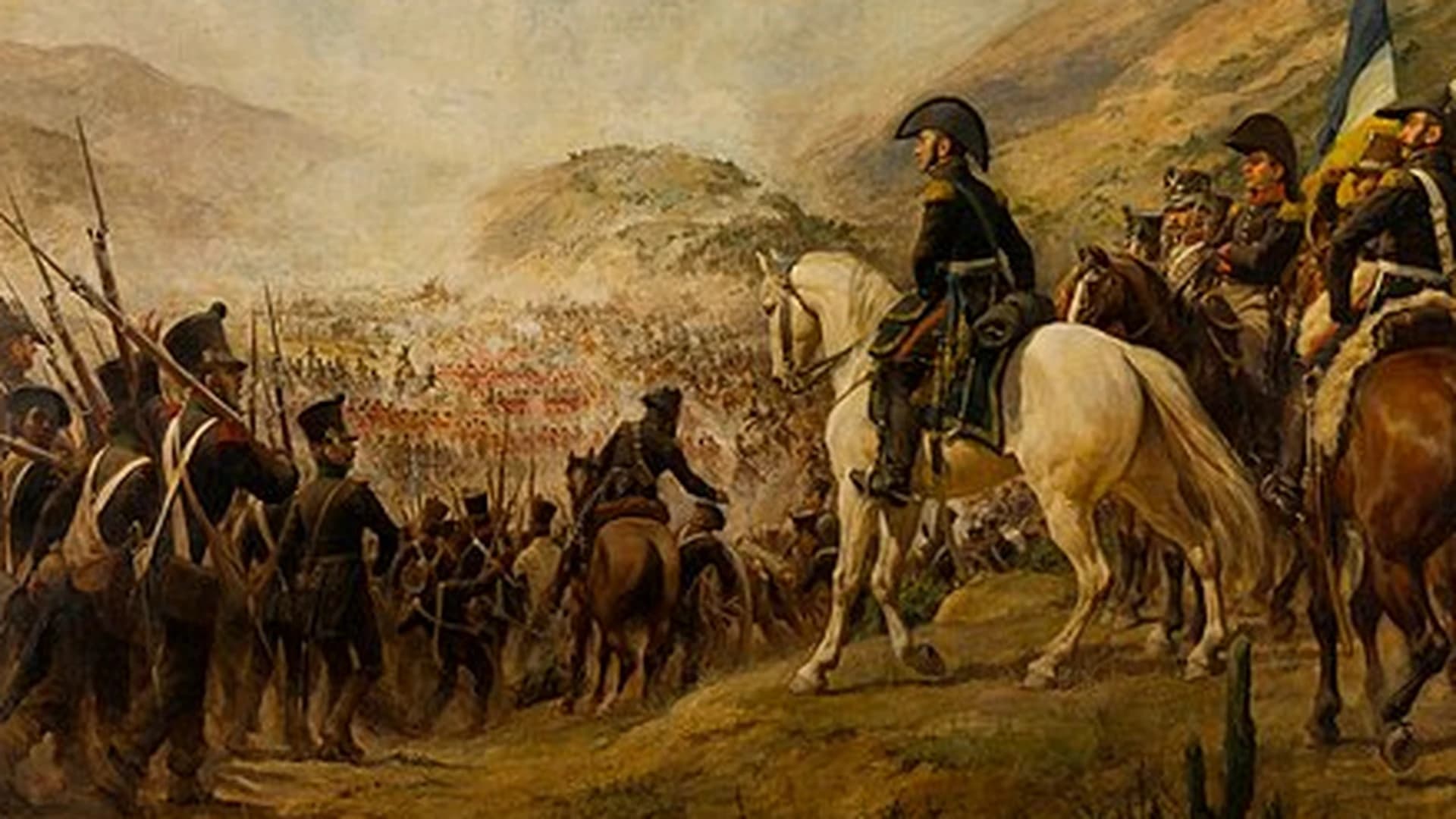
Banner and War (Alpha Version)
A World of Fictional Civilizations
Characters
World Map
World Description
It is a world of empires, kingdoms, republics, confederations, and powerful city-states. -Edrasie — The western continent, dominated by vast plains, deserts, fertile regions, and powerful merchant cities. -Yndara — The eastern continent, more densely populated and dominated by ancient empires, mountain ranges, and great river valleys. -Iskarn — A massive northern island covered by cold forests, mountains, and frozen plains. -The Central Sea — A vast sea separating Edrasie and Yndara and serving as the heart of international trade. The fifteen major powers each possess their own languages, religions, governments, armies, cultures, and traditions. Technology is roughly equivalent to an advanced pre-industrial era, with muskets, cannons, advanced fortifications, sailing ships, and traditional weapons all being used.
Premise
The world of Davia is divided between fifteen great powers, each shaped by radically different civilizations and traditions. Two continents — Edrasie and Yndara — and the great northern island of Iskarn form the stage for an endless struggle over territory, resources, trade, and influence. Empires, republics, kingdoms, and confederations are simultaneously rivals, trading partners, and potential enemies. Wars may begin over disputed borders, royal succession, religious conflicts, economic competition, or the ambitions of a single ruler.
Simulation Rules
-The world is constantly evolving. Nations may declare war, form alliances, trade, negotiate, or betray one another. -Leaders have individual personalities. They may be ambitious, cautious, fanatical, diplomatic, honorable, or expansionist. -Wars have consequences. Military casualties, famine, debt, destruction, and rebellion can weaken a nation. -Factions act independently. They make their own decisions according to their interests. -Internal politics matter. Nobles, soldiers, merchants, religious groups, and ordinary citizens can influence governments. -Alliances can change. Today's ally may become tomorrow's enemy. -Economics determines power. Resources, trade routes, ports, farmland, and taxation are essential. -Characters can die. Succession crises may lead to civil wars, rebellions, or new dynasties. -Nothing is guaranteed. History develops dynamically from the decisions and events taking place. -The player may attempt any realistic action within the rules and circumstances of the world.