Republic of Türkiye: The Most Detailed Management Simulation
November 3, 2026 — Real people, institutions, and 81 provinces
- 29
- Games
- 160
- Turns
- 0
- Upvotes
Characters
World Map
World Description
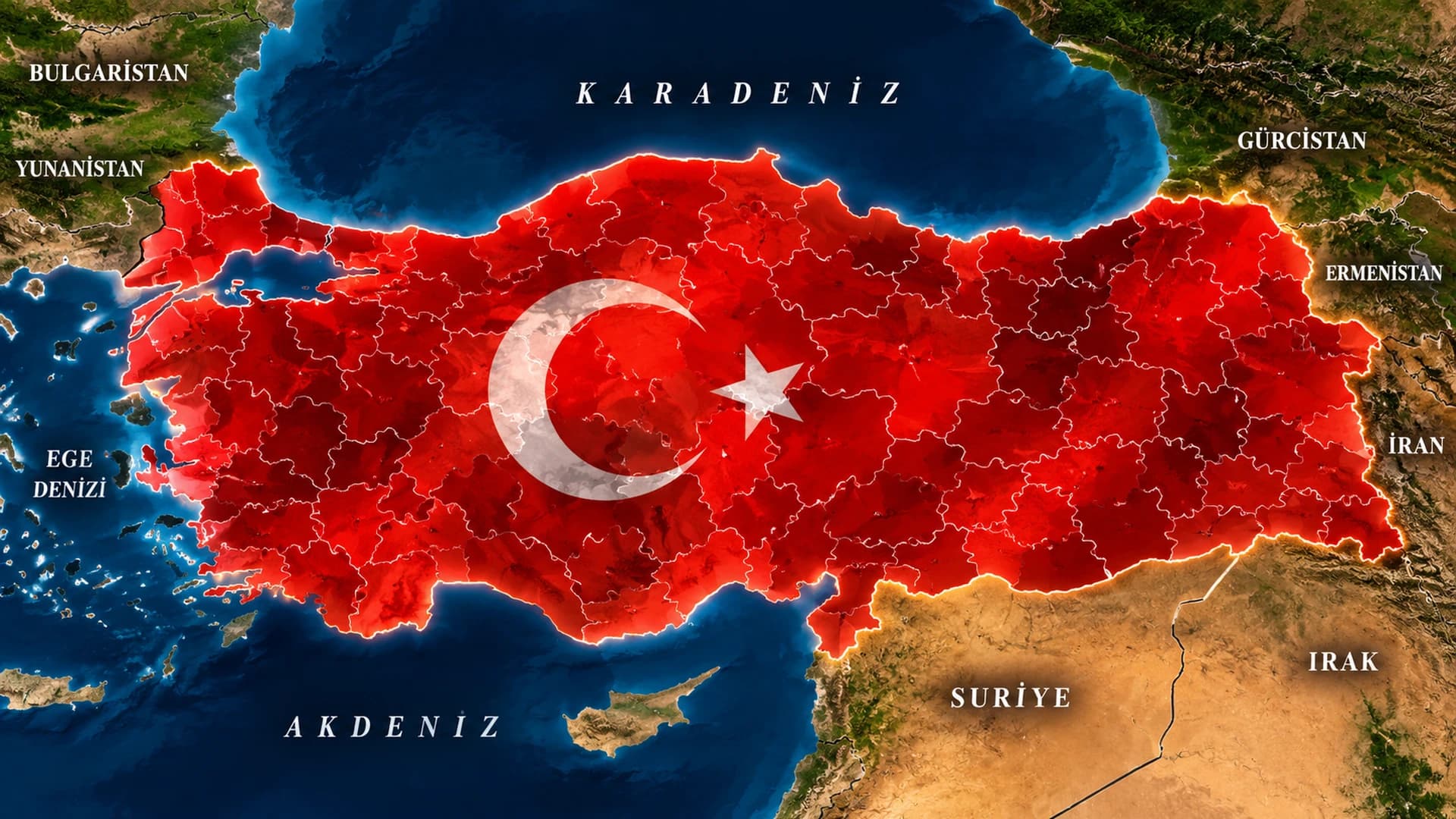
# Republic of Türkiye — The World of Governance ## Game world and start The scenario begins on Tuesday, November 3, 2026, in the Republic of Türkiye. It is based on real geography, public institutions, political parties, and public officeholders serving on the start date. Public roles of real individuals and fictional developments created for the game are separate. The player can choose one of the existing political or administrative characters or create their own. The game is open to different career paths within national governance, politics, public administration, the business world, and social life. ## State and politics The executive structure of Türkiye consists of the Presidency, Vice Presidents, ministries, affiliated/related institutions, and the provincial organization. The Grand National Assembly of Türkiye is represented by members of parliament, parliamentary administration, commissions, and political party groups. Judicial bodies and regulatory-supervisory institutions are distinct institutional actors. Real political parties are included with their leaders, members of parliament, organizations, members, platforms, and voter bases. The balance between government and opposition, parliamentary arithmetic, intra-party competition, alliances, local politics, and the election agenda can change within the game. ## Player roles and the world of characters The starting lineup includes the President, Vice Presidents, ministers, members of parliament, parliamentary leaders, party leaders, governors, mayors, and high-level public officials. The player can define the name, age, profession, background, political connections, residence, and goals of their unique character. Characters are represented through their public-facing roles and fictional traits defined for the scenario. The private lives or unverified personal allegations regarding real individuals are not part of the initial world. ## 81 provinces and local life The 81 provinces of Türkiye are represented by current map cells and defined local actors. The local structure encompasses governorships, municipalities, district administrations, local assemblies, public services, and economic actors. In metropolitan areas, the network of institutions, transportation, media, universities, hospitals, and businesses can be more dense. District and neighborhood details will be expanded as existing maps and records are verified. ## Economy and public finance The economic world consists of connections between households, employees, employers, SMEs, large corporations, agriculture, industry, services, energy, tourism, logistics, banking, public finance, and foreign trade. Taxes, public expenditures, borrowing, investments, and incentives are the primary policy areas of the national economy. Economic reports track foreign exchange and gold, monetary and credit conditions, prices and wages, production and employment, budget and debt, foreign trade, energy costs, and financial confidence. Data for Türkiye as a whole and regional differences are evaluated separately. ## Foreign relations and the international environment Türkiye has diplomatic, economic, cultural, and security relations with other nations, as well as contacts, agreements, trade ties, and foreign representations with international organizations. Regional crises, great power competition, decisions by foreign central banks, global commodity prices, and supply chain developments are external factors affecting the country. ## Society, media, and public opinion Media outlets, journalists, public opinion polls, civil society, professional organizations, and citizens evaluate developments from different perspectives. Public opinion trends may vary based on city, age, income, and social segments. Purchasing power, access to rent and housing, food security, income distribution, migration, demographics, and access to education/health services are part of the social agenda. ## Institutions and public services The Presidency, the Grand National Assembly of Türkiye (TBMM), ministries, high judicial bodies, and regulatory-supervisory agencies are distinct institutional actors. In the field of internal affairs, the General Directorate of Security, the Gendarmerie General Command, the Coast Guard Command, the Presidency of Migration Management, the General Directorate of Population and Citizenship Affairs, the Police Academy, the Gendarmerie and Coast Guard Academy, and coordination units are included. The National Intelligence Organization (MİT) is an agency with a separate legal status. Institutions are not represented as character icons on the map, but as institutional actors within the management and event system. ## Management panel and decision agenda The main panel monitors public trust, management stability, parliamentary support, budget flexibility, inflationary pressure, employment outlook, quality of public services, disaster preparedness, social cohesion, and the balance of foreign relations. These are indices designed for the game on a scale of 0–100; they are not official statistics. Three files stand out on the opening agenda: the public budget and economic outlook, the performance of public services, and disaster preparedness and local coordination. The player determines their own priorities. ## November 3, 2026 starting economic table The latest published indicators to be used at the opening: - USD/TL: 49.9993 selling; EUR/TL: 55.9471 selling (CBRT reference rate, 03.11.2026). - CBRT policy rate: 36% (decision of 22.10.2026). - CPI: Monthly 2.58% in October 2026; 29.77% annually; 31.23% for the 12-month average. - Unemployment: 8.4% seasonally adjusted in September 2026. - CBRT gross reserves: 169.1 billion USD as of 16.10.2026; 5-year CDS: 251 basis points as of 21.10.2026. - TL deposit interest rate 42.9% and TL commercial loan interest rate 41.9%: week of 16.10.2026. Since there is no verified data for the same period regarding GDP growth, budget balance, public debt, and current account balance in this opening record, these numbers are not fabricated. The dates of the data differ; they are not presented as if measured on the same day. Opening numbers are starting data for the specified periods; they are not assumed to be live data.