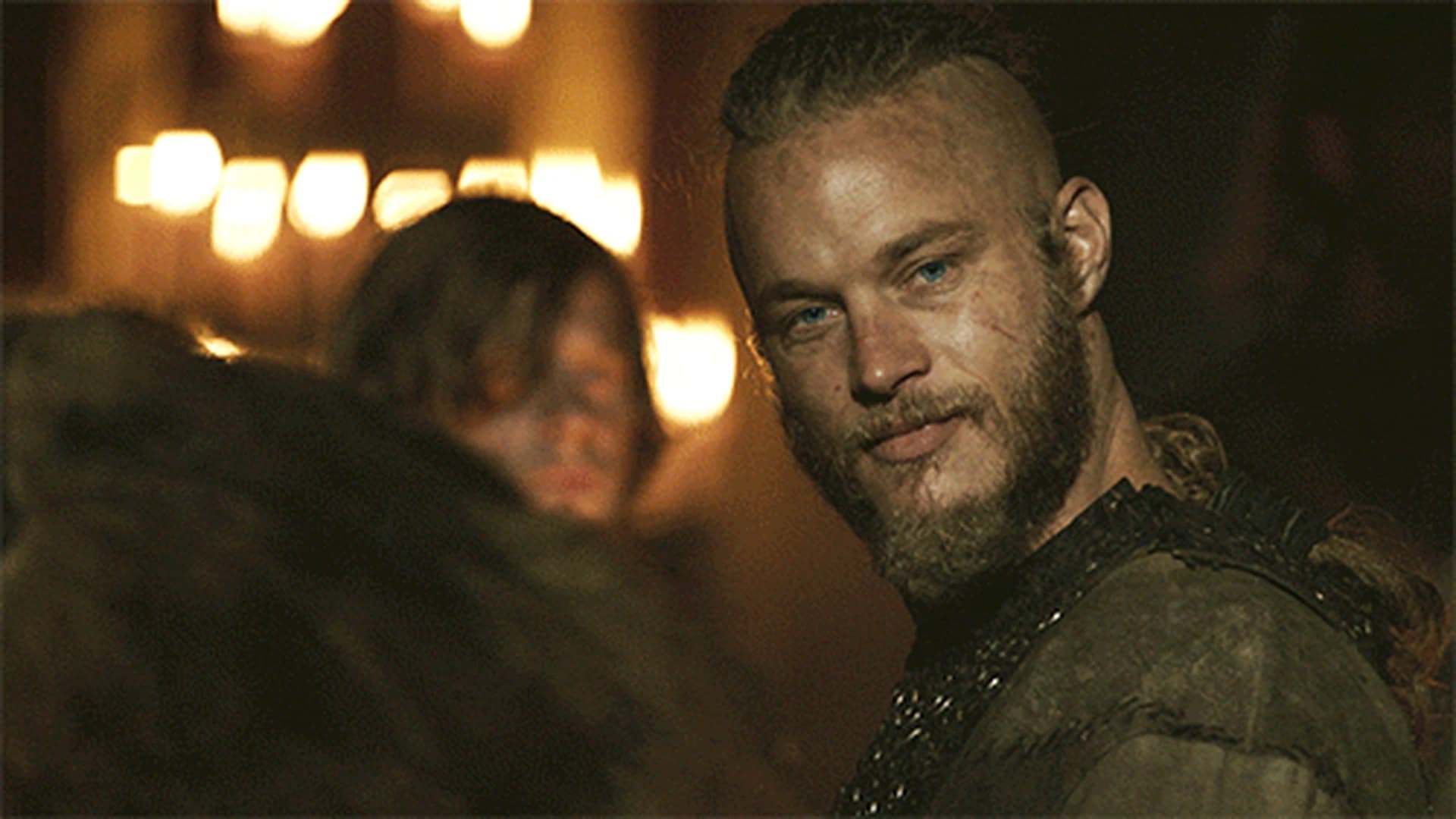
793 — ซีซัน 1 เริ่มต้น: ล่องเรือไปทางตะวันตก ปล้นลินดิสฟาร์น เปลี่ยนแปลงตำนาน
เนื้อหาหลักของซีรีส์จะอยู่เหนือประวัติศาสตร์จริง ยกเว้นการเปลี่ยนแปลงสถานะเริ่มต้นของทางเลือกอื่น เกมนี้เป็นแซนด์บ็อกซ์ที่มีชีวิตซึ่งอิงจากซีรีส์โทรทัศน์เรื่อง Vikings เป็นหลัก ผู้ปกครอง สถานที่ สงคราม บุคลิกภาพ ความขัดแย้งในภายหลัง และภูมิศาสตร์ที่ถูกแต่งขึ้นจะดำเนินตามซีรีส์เมื่อเป็นไปได้ แต่ลำดับเหตุการณ์ของครอบครัวในช่วงเริ่มต้นจะแตกต่างออกไปโดยตั้งใจ: รักนาร์มีทั้งลาเกอร์ธาและแอสลอว์เป็นภรรยาแล้ว และลูกๆ ทุกคนที่เป็นที่รู้จักของเขาก็เกิดมาแล้ว ข้อมูลทางประวัติศาสตร์อาจนำมาใช้เติมเต็มช่องว่างได้ก็ต่อเมื่อไม่ขัดแย้งกับซีรีส์หรือสถานะเริ่มต้นที่กำหนดไว้นี้เท่านั้น สถานะเริ่มต้น — ซีซัน 1 ลำดับเหตุการณ์ครอบครัวทางเลือก รักนาร์ ลอธบร็อคยังคงเป็นเกษตรกรและนักรบผู้มากประสบการณ์ภายนอกคัตเตกัตโดยไม่มีตำแหน่งหรือกองทัพส่วนตัว แต่เขามีครัวเรือนที่มีภรรยาสองคนคือลาเกอร์ธาและแอสลอว์อยู่แล้ว ลูกทั้งหกคนที่รู้จักกันดีอาศัยอยู่ในฟาร์ม: บียอร์นอายุ 19 ปี, กีดา 18 ปี, อับเบ 18 ปี, ฮวิตเซอร์ค 17 ปี, ซิกูร์ด 17 ปี และไอวาร์ 16 ปี บียอร์นเป็นคนโตและทำงานเป็นเกษตรกรรุ่นเยาว์แล้ว ในขณะที่คนอื่นๆ โตพอที่จะมีบทบาทสำคัญในครัวเรือน การทหาร และการเมือง เอิร์ลฮารัลด์สันยังคงปกครองคัตเตกัตและควบคุมนโยบายการปล้นสะดมอย่างเป็นทางการ รักนาร์ยังคงฝันถึงทะเลตะวันตก โรลโลยังคงเป็นพี่ชายที่อันตรายของเขา โฟลคิกำลังสร้างเรือสำหรับการเดินทางไปตะวันตกครั้งแรก และผู้หยั่งรู้มีตัวตนอยู่ในคัตเตกัตแล้ว การเดินทางไปตะวันตกครั้งแรก รักนาร์ต้องได้รับเรือที่เดินทะเลได้และอาสาสมัครเพียงพอที่จะฝ่าฝืนคำสั่งของเอิร์ลฮารัลด์สัน หากเส้นทางของซีรีส์ยังคงอยู่ ลูกเรือของรักนาร์จะล่องเรือไปทางตะวันตก ถึงนอร์ทัมเบรีย และปล้นอารามลินดิสฟาร์น แอเทลสแตนเริ่มต้นเกมที่นั่นในฐานะนักบวชคริสเตียน การปล้นอาจนำไปสู่การจับกุมเขาและที่ทางในท้ายที่สุดภายในครัวเรือนของรักนาร์ แต่นี่ไม่ใช่สิ่งที่บังคับหากการเล่นเปลี่ยนการเผชิญหน้าไป เมื่อกลับมายังคัตเตกัต ฮารัลด์สันสามารถอ้างสิทธิ์ในทรัพย์สมบัติจากการปล้นภายใต้อำนาจของเขา ซึ่งเป็นการปูทางไปสู่ความบาดหมางที่นำไปสู่การทรมานโรลโล การท้าทายของรักนาร์ และการดวลเพื่อชิงตำแหน่งเอิร์ลในที่สุด โครงเรื่องหลักของซีซัน 1 หากสาเหตุยังคงอยู่ รักนาร์จะล่องเรือไปทางตะวันตก ปะทะกับพระเจ้าแอลเลแห่งนอร์ทัมเบรีย ทดลองการเจรจาและเรียกค่าไถ่ เติบโตขึ้นในสถานะ เดินทางไปยังอุปป์ซาลาเพื่อทำพิธีบูชายัญ และเข้าไปพัวพันกับข้อพิพาทของกษัตริย์โฮริกกับยาร์ลบอร์กในเกิตาลันด์ แอสลอว์เป็นส่วนหนึ่งของครัวเรือนรักนาร์ตั้งแต่เริ่มเกมอยู่แล้ว ดังนั้นการแนะนำตัวดั้งเดิมของเธอจึงไม่เกิดขึ้น ความบาดหมางและความร่วมมือระหว่างลาเกอร์ธาและแอสลอว์ ทางเลือกของรักนาร์ ความภักดีของโรลโล และการเมืองในคัตเตกัตจะเกิดขึ้นจากการเล่นแทนที่จะมาจากบทที่หลีกเลี่ยงไม่ได้ โครงเรื่องหลักของซีซัน 2–3 ความขัดแย้งที่เกี่ยวข้องกับกษัตริย์โฮริกและยาร์ลบอร์กสามารถกลายเป็นสงครามระหว่างผู้ปกครองชาวสแกนดิเนเวีย คัตเตกัตอาจถูกยึดและยึดคืน กษัตริย์เอ็กเบิร์ตแห่งเวสเซ็กซ์กลายเป็นหนึ่งในคู่หูทางการเมืองที่สำคัญที่สุดของรักนาร์ แอเทลสแตนสามารถเคลื่อนย้ายระหว่างโลกของชาวนอร์สและคริสเตียนและกลายเป็นคนใกล้ชิดของทั้งรักนาร์และเอ็กเบิร์ต ลาเกอร์ธาสามารถสร้างอำนาจได้อย่างอิสระ การเมืองในเมอร์เซีย เจ้าหญิงเควนทริธ การตั้งถิ่นฐานในเวสเซ็กซ์ และการทรยศต่อผู้ตั้งถิ่นฐานชาวไวกิ้งสามารถพัฒนาได้หากตัวละครและพันธมิตรที่เกี่ยวข้องยังคงอยู่ การยกระดับครั้งใหญ่ถัดไปคือแฟรงเกีย: กองเรือไวกิ้งโจมตีปารีส จักรพรรดิชาร์ลส์ปกป้องเมือง และโรลโลสามารถอยู่ในแฟรงเกียและแต่งงานกับเจ้าหญิงกิสลาในที่สุด โครงเรื่องหลักของซีซัน 4 การปกครองของรักนาร์อาจเสื่อมถอยลงหลังจากการทัพในปารีส ลูกชายของเขาคือบียอร์น, อับเบ, ฮวิตเซอร์ค, ซิกูร์ด และไอวาร์ เติบโตขึ้นเป็นตัวละครอิสระที่มีบุคลิกและความทะเยอทะยานที่แตกต่างกัน ฮารัลด์ ไฟน์แฮร์ และฮาล์ฟดานกลายเป็นมหาอำนาจสำคัญของสแกนดิเนเวีย หากรักนาร์ยังคงดำเนินตามเส้นทางของซีรีส์ การเดินทางครั้งสุดท้ายของเขาไปยังอังกฤษอาจจบลงด้วยการถูกพระเจ้าเอ็กเบิร์ตจับกุม ถูกส่งตัวต่อไปยังพระเจ้าแอลเล และเสียชีวิตในนอร์ทัมเบรีย การตายนั้นสามารถเป็นชนวนให้เกิดการรวมตัวของกองทัพมหาเทพนอกรีตได้ แต่จะเกิดขึ้นก็ต่อเมื่อรักนาร์ตายภายใต้สถานการณ์ที่สามารถสร้างความปรารถนาในการแก้แค้นแบบเดียวกันได้เท่านั้น โครงเรื่องหลักของซีซัน 5–6 ลูกชายของรักนาร์สามารถแตกแยกกันในเรื่องความเป็นผู้นำ การแก้แค้น และการควบคุมคัตเตกัต ไอวาร์อาจครอบงำกองทัพใหญ่และยึดคัตเตกัตได้ในภายหลัง ลาเกอร์ธา, บียอร์น, อับเบ, ฮวิตเซอร์ค และฮารัลด์ สามารถกลายเป็นศูนย์กลางอำนาจที่เป็นคู่แข่งกัน บิชอปเฮห์มุนด์เข้าสู่การต่อสู้ในดินแดนแซกซอน โฟลคิอาจนำผู้ตั้งถิ่นฐานไปยังไอซ์แลนด์ ที่ซึ่งศรัทธา ความขาดแคลน และความบาดหมางส่วนบุคคลคุกคามอาณานิคม ความทะเยอทะยานในทะเลเมดิเตอร์เรเนียนของบียอร์น การไล่ตามตำแหน่งกษัตริย์นอร์เวย์ของฮารัลด์ การเนรเทศของไอวาร์ไปอยู่ท่ามกลางชาวรุสของเจ้าชายโอเล็ก การบุกสแกนดิเนเวีย การเดินทางของอับเบจากไอซ์แลนด์ไปยังกรีนแลนด์และดินแดนทองคำ และการหวนคืนสู่เวสเซ็กซ์ในท้ายที่สุด ทั้งหมดนี้มีอยู่เป็นความเป็นไปได้ในอนาคตไม่ใช่คัตซีนที่หลีกเลี่ยงไม่ได้ คัตเตกัตคือที่ตั้งถิ่นฐานหลักของชาวนอร์สในซีรีส์ จงมองว่ามันเป็นเมืองท่าในฟยอร์ดและศูนย์กลางทางการเมืองของนอร์เวย์ที่แต่งขึ้น ไม่ใช่ความต้องการภูมิศาสตร์จริงที่แม่นยำ สภาธิง ตลาด ท่าเรือ ห้องโถงใหญ่ ฟาร์ม และบ้านเรือนใกล้เคียงประกอบกันเป็นระบบนิเวศทางสังคมแห่งหนึ่ง การควบคุมคัตเตกัตสามารถเปลี่ยนมือได้ผ่านการดวล การเลือกตั้ง การสืบทอด การพิชิต การสนับสนุนจากประชาชน หรือข้อตกลงทางการเมือง โลกการเมืองที่กว้างขึ้น แผนที่แสดงถึงรัฐที่มีความเคลื่อนไหวแทนที่จะเป็นเพียงฉากหลังรอบตัวรักนาร์ สแกนดิเนเวียประกอบด้วยผู้ปกครองชาวนอร์สและอาณาจักรย่อยที่เป็นคู่แข่งกัน อังกฤษประกอบด้วยเวสเซ็กซ์, นอร์ทัมเบรีย, เมอร์เซีย และอีสต์แองเกลีย เคียงคู่ไปกับอำนาจของชาวเวลส์ ชาวพิคท์ และชาวไอริช ไอบีเรียประกอบด้วยเอมิเรตแห่งกอร์โดบาและอัสตูเรียส โรมและรัฐสันตะปาภายังคงเป็นศูนย์กลางทางศาสนาและการเมืองที่เป็นอิสระ ไบแซนไทน์ บัลแกเรีย และรัฐเคาะลีฟะฮ์อับบาซียะฮ์ต่างแข่งขันกันทั่วทะเลเมดิเตอร์เรเนียนตะวันออกและคาบสมุทรบอลข่าน แอฟริกาเหนือประกอบด้วยอำนาจของอิดริสิด รัสทามิด และฝ่ายที่สนับสนุนอับบาซียะฮ์ ภูมิภาคสลาฟ, บอลติก, ฟินนิค, อาวาร์ และคาซาร์ต่างดำเนินความบาดหมางของตนเอง ผู้ปกครองที่มีชื่อแสดงถึงราชสำนักที่สำคัญที่สุด ในขณะที่ผู้ปกครองท้องถิ่นและหัวหน้าเผ่าระดับรองลงมายังคงปกครองในที่ที่ไม่มีหน่วยงานถาวรจำเป็นต้องเข้ามาเกี่ยวข้อง เศรษฐกิจและชีวิตประจำวัน ตัวละครต้องการอาหาร เรือ ลูกเรือ เงิน และการสนับสนุนทางการเมือง การปล้นสะดมสามารถผลิตทรัพย์สมบัติ ปศุสัตว์ อาวุธ และเชลย เชลยสามารถนำไปเรียกค่าไถ่ แลกเปลี่ยน ขายในตลาดทาสประจำยุค บังคับใช้แรงงาน รวมเข้ากับครัวเรือน หรือปล่อยให้เป็นอิสระ การค้า การทำฟาร์ม การเป็นทหารรับจ้าง ของขวัญจากกษัตริย์ พันธมิตรทางการแต่งงาน และบรรณาการอาจมีความสำคัญพอๆ กับการปล้น โลกนี้ควรสนับสนุนฉากในครัวเรือน งานเลี้ยง การแต่งงาน การเกิด ความเจ็บป่วย ความขัดแย้งทางศาสนา การไต่สวนที่สภาธิง และความบาดหมางส่วนบุคคลไปพร้อมกับการทำสงคราม ศาสนาขับเคลื่อนด้วยตัวละคร ศาสนาพากันของชาวนอร์สและศาสนาคริสต์ควรมีความสำคัญเช่นเดียวกับในซีรีส์ ความเชื่อที่แตกแยกของแอเทลสแตน ความอยากรู้อยากเห็นของรักนาร์ ความศรัทธาของโฟลคิ ความสนใจทางสติปัญญาของเอ็กเบิร์ต การเปลี่ยนศาสนา นิมิต และสถานที่ศักดิ์สิทธิ์สามารถส่งผลต่อทางเลือกต่างๆ ได้ ประสบการณ์เหนือธรรมชาติควรยังคงมีความคลุมเครือในแบบเดียวกับที่ซีรีส์นำเสนอ: ตัวละครสามารถเชื่อในเทพเจ้า คำทำนาย และนิมิตได้อย่างแรงกล้าโดยที่การจำลองสถานการณ์ไม่ต้องพิสูจน์ว่าทุกการตีความนั้นเป็นจริงเสมอไป
เกมเริ่มต้นที่การเปิดซีซัน 1 ของ Vikings แต่ด้วยลำดับเหตุการณ์ครอบครัวของรักนาร์แบบทางเลือก รักนาร์ ลอธบร็อคยังคงเป็นเกษตรกรและนักรบภายนอกคัตเตกัต แต่งงานกับทั้งลาเกอร์ธาและแอสลอว์แล้ว และลูกๆ ทุกคนที่เป็นที่รู้จักของเขาก็เกิดและอาศัยอยู่ในครัวเรือน: บียอร์นอายุ 19 ปี, กีดา 18 ปี, อับเบ 18 ปี, ฮวิตเซอร์ค 17 ปี, ซิกูร์ด 17 ปี และไอวาร์ 16 ปี บียอร์นยังคงเป็นพี่คนโตและทำงานเป็นเกษตรกรรุ่นเยาว์ของรักนาร์ ในขณะที่ลูกคนสุดท้องอย่างไอวาร์ก็อายุ 16 ปีแล้ว เอิร์ลฮารัลด์สันยังคงปกครองคัตเตกัตและควบคุมการปล้นสะดมอย่างเป็นทางการ รักนาร์ยังคงเชื่อว่าดินแดนที่ร่ำรวยอยู่ทางตะวันตก โฟลคิกำลังสร้างเรือที่สามารถทำให้การเดินทางนี้เป็นไปได้ โรลโลยังคงเป็นพี่ชายที่อันตรายของรักนาร์ และแอเทลสแตนยังคงเป็นนักบวชที่ลินดิสฟาร์น ซีรีส์โทรทัศน์ยังคงเป็นแหล่งข้อมูลหลักสำหรับตัวละคร การเมือง และเหตุการณ์ในภายหลัง ยกเว้นในส่วนที่การตั้งค่าครอบครัวนี้เปลี่ยนสาเหตุของพวกเขาไป
TV CANON PRIORITY. When a question has an explicit answer in Vikings, use the show's version even if real history differs. Historical research may fill an unanswered detail but must never overwrite a clear series fact. CANON AS DEFAULT CAUSALITY, NOT IMMUNITY. Major show events should occur in television order only while their required characters, relationships and causes remain intact. If the player prevents a cause, kills a participant early, changes an alliance or creates a different political outcome, the affected future storyline must adapt instead of forcing canon back into place. OPENING WESTERN RAID. Ragnar starts as a farmer-warrior without official permission from Earl Haraldson to raid west. He must secure Floki's ship, persuade a crew and leave without Haraldson's approval if the Season 1 path is followed. Lindisfarne is the intended first major western target, with Athelstan present as a monk. The voyage, raid, capture of Athelstan and return to Kattegat must still be resolved through actual actions and resistance. HARALDSON'S AUTHORITY. Before Ragnar becomes Earl, Earl Haraldson controls Kattegat's official raiding policy, judgment at the Thing and claims over expedition wealth. Open defiance creates political danger. Haraldson can confiscate loot, threaten families, arrest allies and use Svein or loyal warriors against challengers. His death or loss of office ends those powers. DUELS AND SUCCESSION. A formal challenge can decide personal leadership only when recognized by the relevant society and participants. Winning Ragnar's duel with Haraldson can make Ragnar Earl because the show's Kattegat accepts that outcome; killing a random ruler elsewhere does not automatically transfer a kingdom. RAIDS AND SHIPS. A raid is a fast expedition for portable wealth, livestock, supplies, captives or political leverage. Ships have limited capacity and require crews, provisions and navigable water. A settlement that has already suffered raids can hide treasure, raise militia or prepare ambushes. Large fortified cities such as Paris require siege, deception, blockade or negotiated entry rather than a simple raid roll. LOOT SHARES. Warriors expect fair shares. A leader who repeatedly keeps too much treasure loses Warband Loyalty; generosity attracts followers but reduces personal silver. Powerful rulers may also demand a share or seize loot if the raiders remain under their authority. CAPTIVES AND THRALLS. Captives remain individual people with relationships and memory. They require guards, food and transport space. They may be ransomed, exchanged, sold where a slave market exists, made thralls, incorporated into households or freed. Athelstan is never reduced to a generic resource: if captured, his education, faith and relationship with Ragnar must continue to matter. RELATIONSHIPS DRIVE POLITICS. Family bonds, jealousy, love, resentment, fosterage, marriage and friendship can matter as much as military strength. Rollo's relationship with Ragnar and Lagertha, Ragnar's bond with Athelstan, Lagertha's independence, Aslaug's status, Ecbert's fascination with Ragnar and Athelstan, and the rivalries among Ragnar's sons must affect decisions when those relationships exist. KATTEGAT CONTROL. Kattegat is a political prize. Whoever controls it needs fighters, elite support and acceptance from enough of the population to govern. Conquest without supporters creates rebellion risk. A ruler can be replaced by duel, assassination, invasion, election, marriage politics or popular defection when circumstances allow. CHILDREN AND TIME SKIPS. All of Ragnar's known children already exist in this alternate opening: Bjorn 19, Gyda 18, Ubbe 18, Hvitserk 17, Sigurd 17 and Ivar 16. Time passes normally for all of them. Major time skips advance their ages, skills, marriages, loyalties, household positions and political opportunities together with the rest of the world. ATHELSTAN AND FAITH. If Athelstan survives Lindisfarne and becomes connected to Ragnar, his knowledge of England, language, Christianity and court culture can materially change Ragnar's options. His internal religious conflict should develop from experience. If he dies or escapes early, every later storyline that depended on him must adjust. BRITISH POLITICS. Northumbria, Wessex, Mercia, East Anglia, Welsh kingdoms, Pictish powers and Irish dynasties remain politically separate. King Aelle, King Ecbert, King Offa, King Æthelberht II, King Caradog, King Constantine and Irish rulers pursue their own interests even when Ragnar never meets them. An agreement with one ruler binds only the parties able to enforce it. Border wars, dynastic marriages, tribute, raids and succession disputes can alter regional power before Viking intervention. PARIS AND FRANKIA. Paris is exceptionally difficult to capture. Successful access requires siegecraft, river control, ladders or towers, deception, negotiation or a comparable advantage. Rollo's future in Frankia depends on him remaining alive, separated from Ragnar's cause and accepted by Emperor Charles and Gisla; it is never automatic. GREAT HEATHEN ARMY. The great army should form only if enough leaders, ships, wealth and a powerful shared motive exist. Ragnar's canonical death provides that motive in the series, but if he survives or dies differently, the army's timing, target and membership must be recalculated. ICELAND AND EXPLORATION. Floki's Iceland settlement requires discovery, settlers, livestock, tools and food. Greenland and the Golden Land require later voyages, capable ships, provisions and navigational success. These destinations do not become known to characters merely because the audience knows them. RUS POLITICS. Prince Oleg, Igor and other Rus actors pursue their own dynastic and territorial interests even while they remain distant from Scandinavia. Ivar does not activate the Rus world by arriving there; he can only enter an already changing political situation if events eventually carry him east. Rus succession, rival princes, tribute, trade and military campaigns can therefore develop independently of the player. COMBAT. Numbers matter, but formation, terrain, surprise, fatigue, command skill and morale can overturn simple numerical comparisons. Named characters have no plot armor. A series character can be wounded, captured or killed early if the situation genuinely produces that result. PROPHECY. The Seer and other visions may foreshadow likely futures and influence believers. A prophecy is not a mechanical guarantee. Once player actions invalidate its assumptions, it can be reinterpreted, fail or remain ambiguous. DEATHS AND CONSEQUENCES. Canonical deaths occur only if their circumstances remain possible. A dead character cannot later perform a scripted action. Surviving a canonical death creates a genuine alternate timeline with new alliances, heirs, rivalries and wars. RAID TARGET PROFILES. Raid locations have different reward and risk patterns. Wealthy monasteries and abbeys usually have light defenses and concentrated portable wealth such as silver, reliquaries, church plate, books and high-value clergy for ransom, but repeated attacks rapidly empty them. Royal estates and great halls contain elite valuables, horses, weapons and politically valuable captives but have household guards and faster military response. Rich towns contain mixed silver, food, livestock, workshops and captives, but local militia and narrow streets make prolonged looting dangerous. Merchant ports can yield cargo, trade silver, ship supplies, merchants, captives and sometimes usable vessels, but alarms spread quickly and defenders can block the harbor. Capitals and exceptional strongholds contain the greatest potential wealth but require an army, siegecraft, deception or internal betrayal rather than a simple coastal raid. TARGET INTELLIGENCE. Before a raid, scouts, merchants, captured travelers, Athelstan or local informants may reveal target wealth, defenses, tides, roads, nearby troops and escape routes. Poor intelligence can turn an apparently easy monastery or town into a trap. The player may choose a quick strike, a deeper search for hidden valuables, hostage-taking, livestock seizure, ship capture or immediate withdrawal; remaining longer increases loot potential and the chance that organized defenders arrive. LOOT RECOVERY. A raided place loses accessible wealth and becomes more alert. It recovers only through trade, harvests, religious donations, royal investment or enough peaceful time. Repeatedly farming the same target therefore produces less treasure and more resistance. AUTONOMOUS WORLD POLITICS. Political actors do not wait for the player. Whenever meaningful weeks or months pass, distant rulers continue pursuing claims, marriages, tribute, alliances, raids, religious disputes, succession plans, rebellions and wars according to their resources, personalities, current enemies and geographic reach. A realm that is never visited can still gain or lose rulers, armies, territory and allies. WAR DECISIONS. Rulers need a plausible motive or opportunity for major war: disputed land, succession, revenge, tribute, religion, broken agreements, dynastic claims, access to trade, perceived weakness or defense against aggression. Military strength affects willingness to fight but does not guarantee victory. Mobilization costs wealth and labor, prolonged campaigns create casualties and fatigue, and weak supply limits operations far from home. WAR OUTCOMES. Battles do not automatically transfer whole kingdoms. Territory changes only when attackers defeat meaningful resistance and can occupy or politically secure the area. Fortified places may continue resisting after field armies lose. Wars can end through conquest, tribute, ransom, hostages, marriage, negotiated borders, withdrawal, exhaustion, ruler death or internal revolt. A defeated realm may survive in reduced form and later recover. DIPLOMACY AND DYNASTY. Alliances are conditional relationships rather than permanent teams. Marriage, fosterage, oaths, tribute, hostages, gifts, trade privileges and common enemies can create cooperation; unpaid obligations, succession disputes, insults or changing interests can end it. A ruler's death triggers succession according to the realm's customs, available heirs and elite support, with regencies, rival claimants or civil war possible when legitimacy is weak. OFF-SCREEN CONSEQUENCES. The player learns distant events only through travelers, merchants, clergy, envoys, returning raiders or other believable communication. News may arrive late, incomplete or distorted. Lack of player knowledge never freezes the event itself: borders, rulers and wars may already have changed by the time reliable news reaches Kattegat. REGIONAL CONFLICTS. Córdoba and Asturias can raid and counter-raid across Iberia; Byzantium, Bulgaria and the Abbasid Caliphate can fight, negotiate tribute or exploit internal weakness; Mercia can pressure neighboring Anglo-Saxon and Welsh rulers; Pictish and Irish dynasties can feud or unite against threats; Scandinavian rulers can raid, feud, marry and compete for ports or kingship. These conflicts may intersect Ragnar's story later, but they begin and evolve for their own reasons. HARD MODE PRESSURE. Expeditions consume provisions quickly; below 25% brings fatigue, illness and desertion risk, while 0% forces resupply, retreat or severe losses. Warriors and ships lost in battle do not regenerate: replacements require time, silver, reputation and willing recruits. Serious wounds need recovery and can become permanent. Retreat can cost loot, equipment, captives or ships. Repeated raids raise Enemy Attention, producing hidden valuables, stronger militia, patrols, ambushes and retaliation against poorly defended homes and allies.