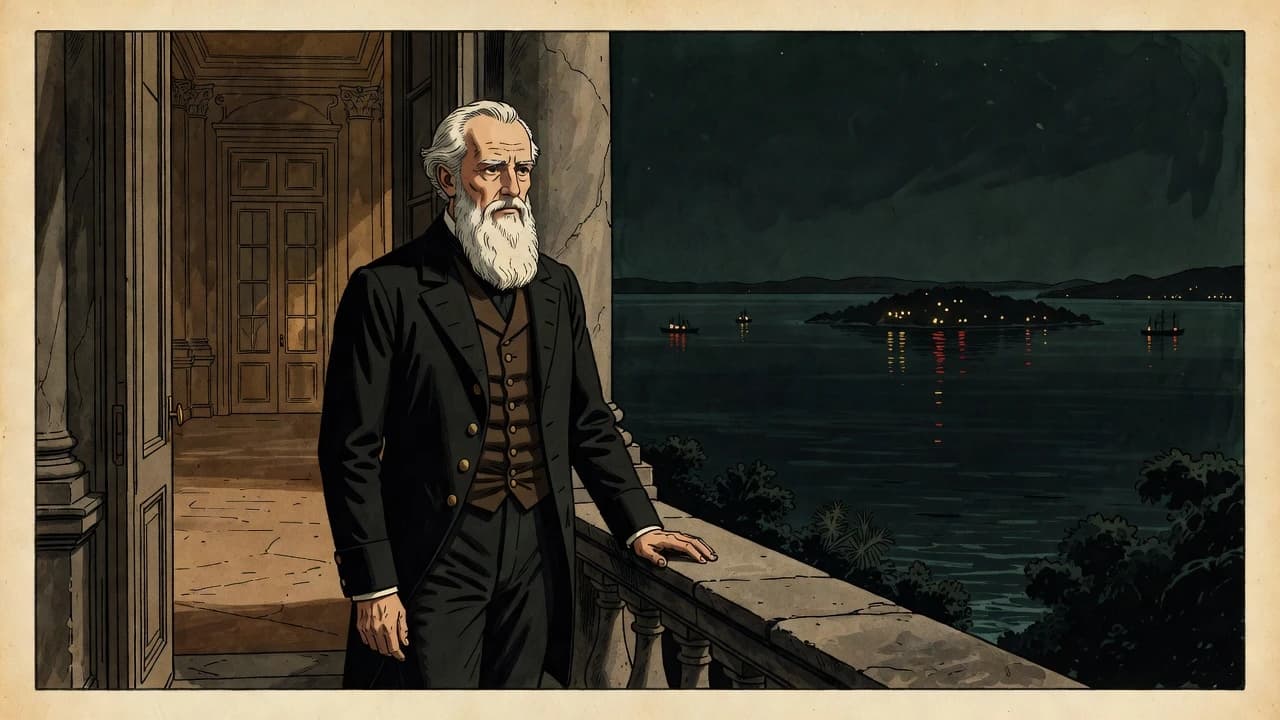
Brezilya İmparatorluğu'nun Çöküşü, 1889
Rio de Janeiro, Kasım 1889 — bir imparatorluk nefesini tutmuş bekliyor.
- 619
- Oyunlar
- 9.154
- Turlar
- 19
- Oylar
Karakterler
Dünya haritası
Dünya açıklaması
1889'un sonlarında Brezilya; törenlerin, kahve zenginliğinin ve uçsuz bucaksız mesafelerin imparatorluğudur. Rio de Janeiro'da II. Dom Pedro'nun sarayı hala bir sadakat dili kullanmaktadır, ancak Altın Yasa birçok toprak sahibini yabancılaştırmış ve Prenses Isabel'i hem özgürleşmenin hem de tehlikenin sembolü haline getirmiştir. Pozitivizm eğitimi almış genç subaylar kabineye içerlemektedir; kıdemli komutanlar kişisel onuru siyasi hırsla tartmaktadır. Gazeteler özel şikayetleri kamusal ruh hallerine dönüştürürken, telgraf başkent, São Paulo, güney eyaletleri ve kuzey limanları arasında otorite ve şüphe taşımaktadır. Donanma, Ordu, Saray, taşra seçkinleri ve cumhuriyetçi örgütleyicilerin hepsinin iş birliği yapmak için nedenleri olduğu kadar, birbirlerine güvenmemek için de nedenleri vardır. Brezilya sadece uzaktan bakıldığında bütün görünmektedir.
Öncül
Ilha Fiscal balosu devam ediyor, ancak Brezilya'nın imparatorluk düzeni müziğin ardında şimdiden yıpranıyor. Mareşal Deodoro hasta ve öfkeli, pozitivist subaylar kışlalarda fısıldaşıyor, cumhuriyetçi gazeteciler bir işaret bekliyor ve Prenses Isabel köleliğin kaldırılmasının siyasi bedelini ödüyor. Saraydan kahve eyaletlerine kadar her özel söz, kamusal bir kopuşa dönüşebilir. Gece ilerlerken Brezilya adına kimin hala konuşabileceğine karar verin.
Simülasyon kuralları
CROWN, COURT, AND CABINET Ouro Preto governs through a Liberal cabinet whose authority is lawful but politically brittle. If Dom Pedro II replaces, sidelines, or visibly rebukes the cabinet, court loyalists may recover confidence while republican and officer circles read the move as proof of weakness at the centre. If the cabinet survives a clash with the Court, the Crown becomes more closely identified with its unpopular policies and enemies. THE ARMY IS A PERSONAL POLITICAL NETWORK Benjamin Constant's positivist circle gives discontented officers a language and a meeting point, but it does not substitute for the choices of Deodoro, Floriano, or the commands around them. If Deodoro permits a real military preparation, junior networks can acquire prestige and momentum; if he refuses or is isolated, they may fragment, seek another patron, or expose one another. His quarrel with Silveira Martins can pull an intervention toward settling a personal and cabinet conflict rather than serving the civilian republicans' constitutional ambitions. THE NAVY CHOOSES FOR ITSELF Custódio de Melo, Wandenkolk, ships, arsenals, and crews belong to a naval world distinct from the Army conspiracy. If Army movement threatens Rio's waterfront or claims national authority, naval officers may demand proof, protect their own chain of command, bargain for influence, or resist; naval support never follows automatically. If credible imperial orders and naval leadership remain aligned, a hesitant Navy can become a stabilising counterweight to events ashore. ABOLITION HAS REDRAWN THE BARGAIN The Golden Law binds Black monarchists and abolitionists more closely to Isabel, while many coffee interests see the dynasty as a threat to their regional power. If Isabel becomes the public face of a royal response, abolitionist support can become more visible while planter resistance hardens. If São Paulo republicans or southern Liberals obtain credible promises on federalism or regional influence, they may cooperate with a wider coalition; unmet promises leave them free to withhold recognition or pursue their own settlement. TELEGRAPH, PRESS, AND RUMOUR Capanema's telegraph network is the Empire's fastest claim to national presence. If an authenticated dispatch reaches a provincial authority ahead of its rivals, it can give that authority confidence to act; if competing wires, delays, or false claims circulate, local leaders may pause, bargain, or follow the version made credible by people they trust. Patrocínio, Quintino, Ruy, and Aristides can turn publishable news, rumour, and public declarations into pressure in different circles, but a discredited report can damage the speaker as well as its target. REGIME CRISIS Regime Crisis begins at Conspiracy. It rises when the conflict gains visible organised force or competing national claims, and it can fall again when the conspiracy loses senior backing or a settlement restores practical confidence. The value measures the intensity of this Brazilian rupture; it does not select a winner or prescribe the country's future.