Foedus: Iron and Ivory
The Rise of Rome and the Fate of Latium, 650 BC
Karakterler
Dünya haritası
Dünya açıklaması
The world consists of localized city-states, sacred sanctuaries, and fortified hill-forts (oppida). Classical Roman infrastructure does not yet exist; there are no stone highways or professional legions. Power is decentralized and driven by tribal alliances, religious oaths (Foedus), and local trade hubs. Major cultural forces include the urbanized Etruscans, the expansive Latin coalitions, the fierce Sabines of the Apennine mountains, and the seafaring Greek colonies in the south.
Öncül
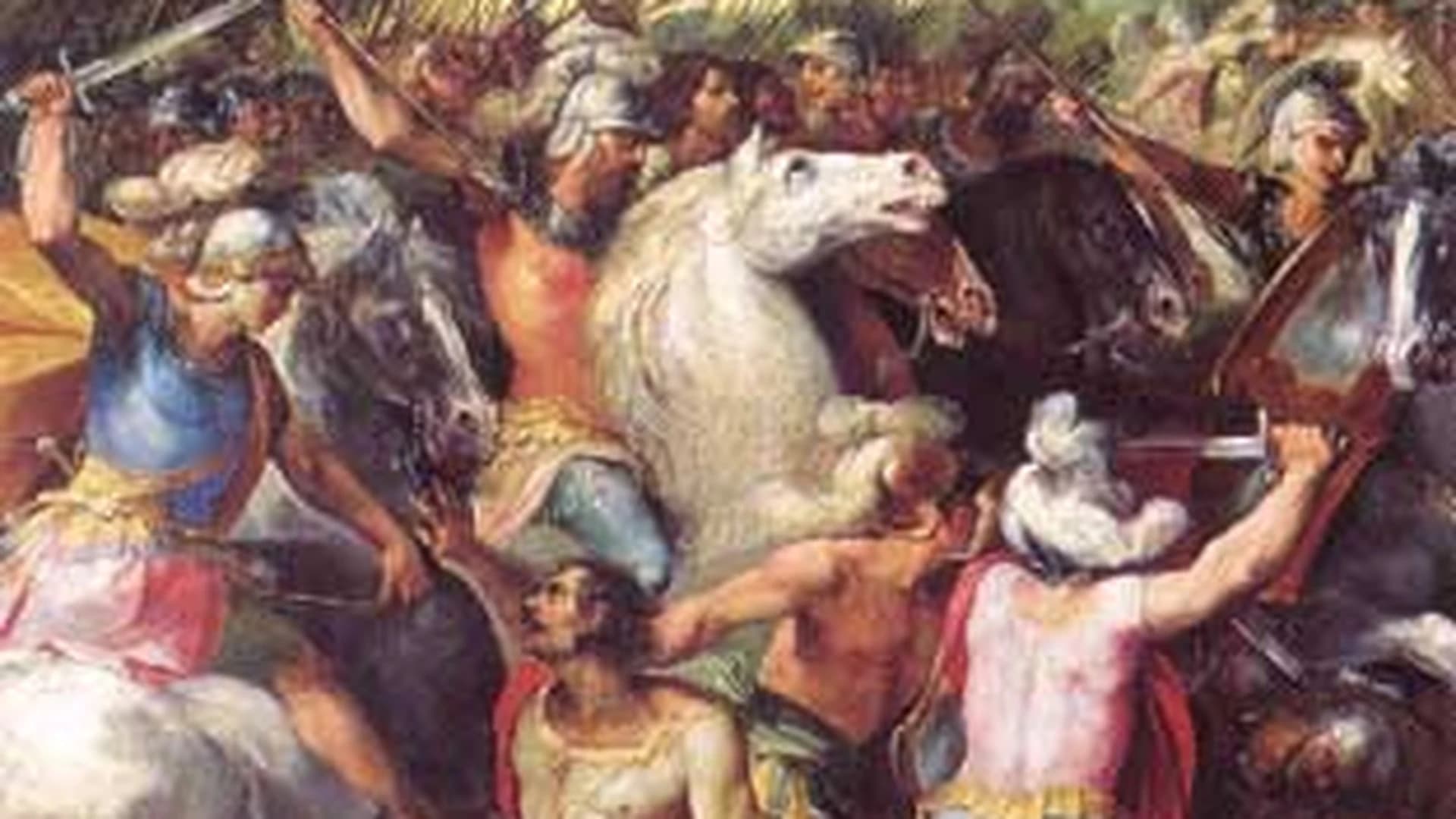
The year is 650 BCE. Central Italy is a powder keg of competing city-states and independent tribes. The young Kingdom of Rome, ruled by the militaristic King Tullus Hostilius, seeks regional hegemony and is locked in a bitter war of survival against Alba Longa and the Latin League. To the north, the wealthy and technologically advanced Etruscan cities of Veii and Tarquinii watch closely, protecting their lucrative trade routes along the Tiber river.
Simülasyon kuralları
1. City-states act independently unless bound by a defensive alliance (Foedus). 2. Diplomatic relations are heavily influenced by cultural proximity (Latins favor Latins, Etruscans favor Etruscans). 3. Border friction along the Tiber river dynamically triggers trade disputes or military skirmishes. 4. Aggressive expansion (like Rome's attacks) increases threat levels, pushing neighboring minor cities to form defensive coalitions. 5. Mountain tribes (Sabines, Aequi) prefer quick seasonal raids over prolonged city sieges.